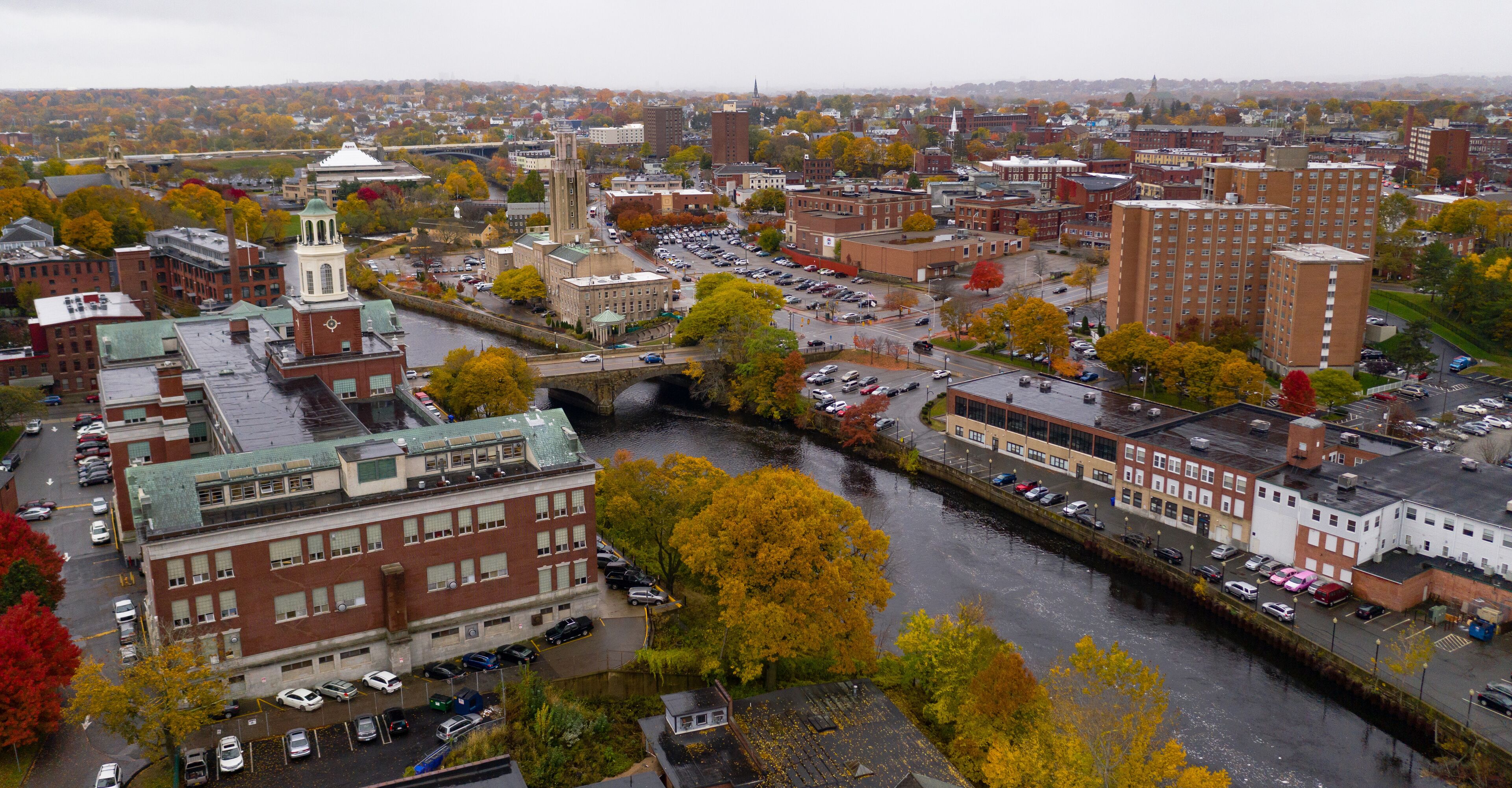
Central Falls is roughly one square mile, the smallest city in Rhode Island by land area and among the most densely populated municipalities in New England. There is essentially no vacant land left to develop, which means almost every exchange candidate here is an existing building, usually a small multifamily property or a converted mill, and the condition of that existing structure matters more than it would in a market with room to build new.
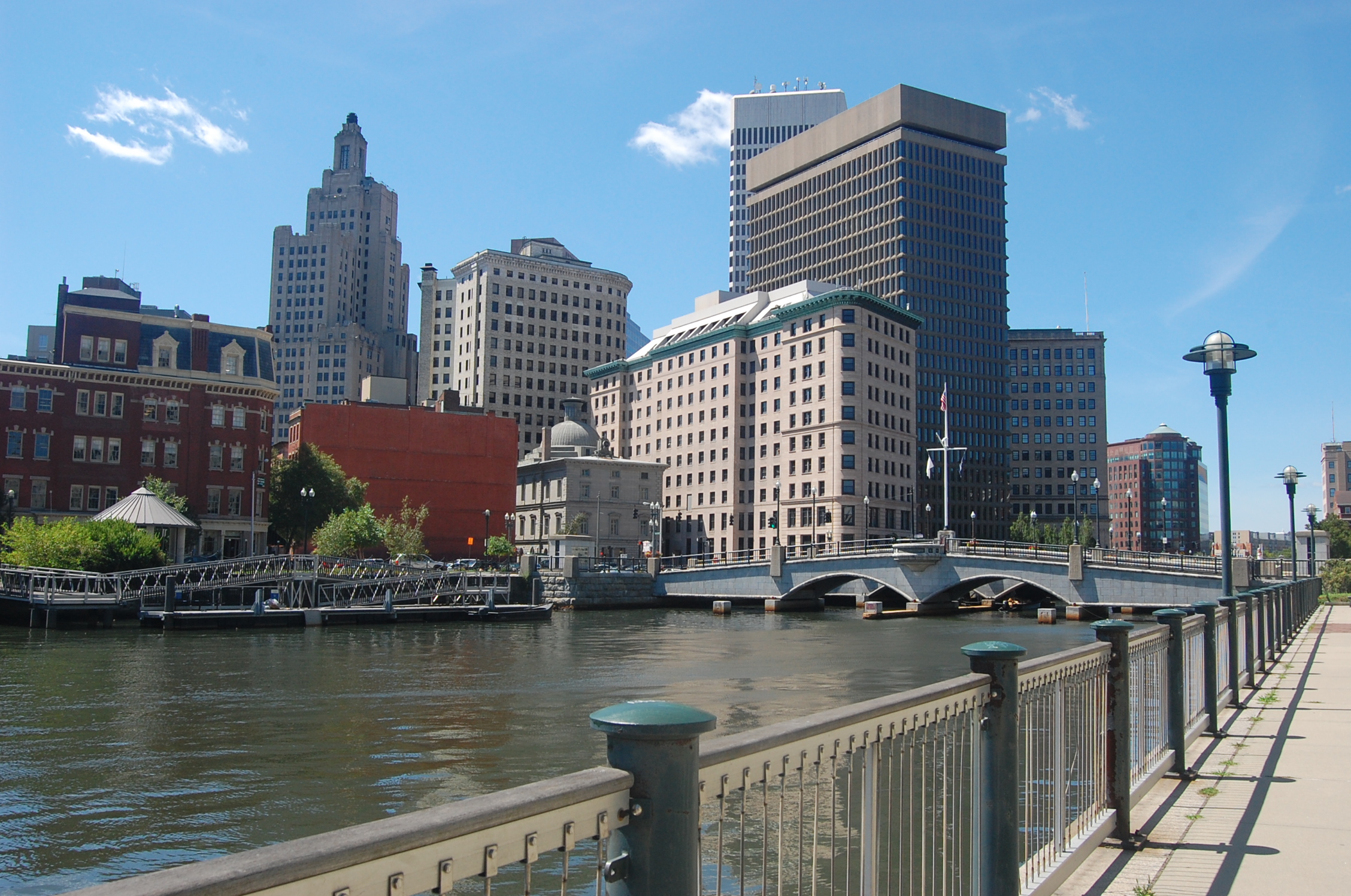
The city sits directly between Pawtucket and Providence, and its housing stock reflects a period when textile manufacturing drew large numbers of workers into a very small footprint. That density is still the defining fact about the market today: an owner searching for a Central Falls replacement property is searching within one square mile, not a metro area, and the diligence has to be scaled to match that reality.
Old Mill Buildings Carry Real Income and Real Deferred Maintenance
Central Falls grew up as a textile manufacturing center, and several of its old mill buildings are still standing, now converted to multifamily housing, storage, or light commercial use. The income these buildings produce can be real, but the electrical systems, roofs, and structural elements are often original to a much earlier era, and a purchase decision that treats the reported income as the whole story misses the maintenance obligations that come with it. A mill conversion that looks like a bargain on a price-per-unit basis can turn into a much more expensive property once a new roof, updated wiring, or a fire-suppression retrofit gets priced out, and that cost needs to be weighed against the purchase price before the building is finalized as a replacement.
Small Multifamily Is the Dominant Asset Type
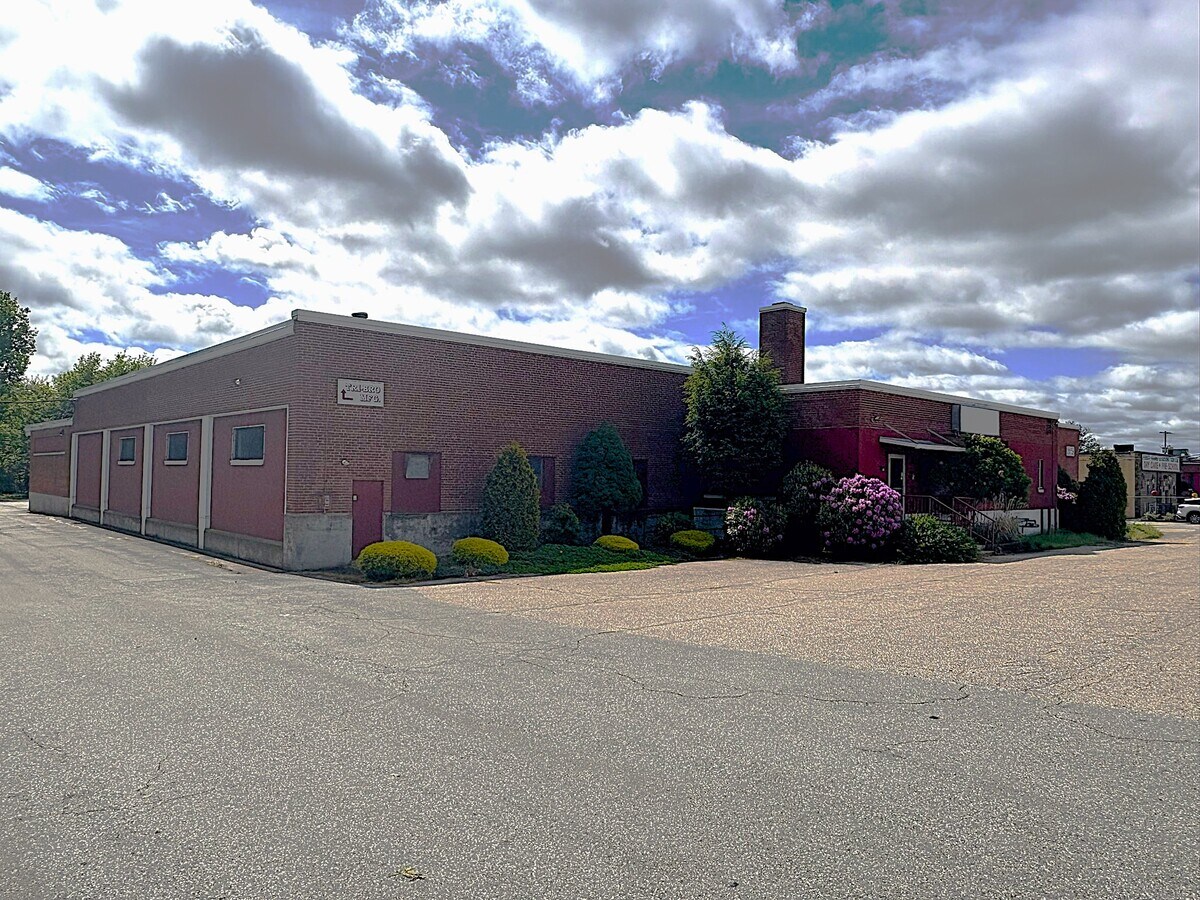
Outside the mill conversions, most of what trades hands in Central Falls is small multifamily, typically three to six units on a tightly built lot with little to no on-site parking. Rents here run below what comparable buildings command in Providence, reflecting the city's income profile, and a rent roll review should confirm actual collected rent rather than an asking figure the seller is hoping to justify. Tenant turnover in this stock tends to be higher than in a stabilized suburban multifamily building, so a buyer should also confirm how consistently units have stayed occupied over the past two to three years rather than relying on a single snapshot month.
Why a Central Falls Purchase Needs an Early, Honest Inspection
Given the density and age of the building stock, an inspection needs to happen early enough in the 45-day identification window to actually inform the decision rather than confirm it after the fact.
- Roof and electrical system age measured against the building's stated income
- Whether unit counts and rents match the certificate of occupancy on file
- Open code violations or permits with the city
- Deferred maintenance costs weighed against the purchase price
- A backup candidate in neighboring Pawtucket or Providence
Backup Candidates Matter More in a Market This Small
Because the city's footprint is so tiny, only a handful of qualifying multifamily or mixed-use buildings sell in any given stretch, and an owner cannot assume a second option will appear if the first one falls through. Central Falls borders Pawtucket and Providence directly, and treating those adjacent markets as a natural backup, rather than a separate search entirely, keeps the identification list realistic without abandoning the original plan. The three-property identification rule supports this approach directly, since it allows an owner to name a Central Falls candidate alongside two nearby alternatives without having to rank them by value in advance.
Common 1031 Exchange Questions
Why is there so little available commercial inventory in Central Falls?
Central Falls is the smallest city in Rhode Island by land area and is largely built out already, so there is little vacant land for new construction and turnover among existing buildings is limited.
Is small multifamily the main replacement option here?
Yes. Three-to-six-unit multifamily buildings are the dominant asset type, with converted mill buildings as a smaller secondary category.
What should a buyer check before relying on a Central Falls mill conversion?
The building's electrical and roof condition, its permit and code violation history with the city, and whether the reported income reflects actual occupied, legal units rather than an inflated figure.
Does Central Falls' population density affect financing?
Lenders are generally familiar with dense small multifamily in this part of Rhode Island, but the older building stock often requires more diligence up front, not a different loan structure.
Should an owner look outside Central Falls for a backup identification candidate?
Given how small the city's footprint is, yes. Pawtucket and Providence border Central Falls directly and offer a wider set of comparable multifamily options if the primary local candidate does not close.
How should deferred maintenance be handled when negotiating a Central Falls purchase?
Get an inspection estimate for major systems, roof, wiring, and any fire-suppression requirements, and use that figure directly in the price negotiation rather than treating the purchase price and repair costs as separate conversations.
Does Central Falls' immigrant working-class population affect underwriting?
It affects the rent levels a lender should expect to see, since household incomes here run below the Rhode Island average, but it does not change the underwriting mechanics themselves. A rent roll should be checked against realistic local income, not against Providence or East Bay rent comparables.