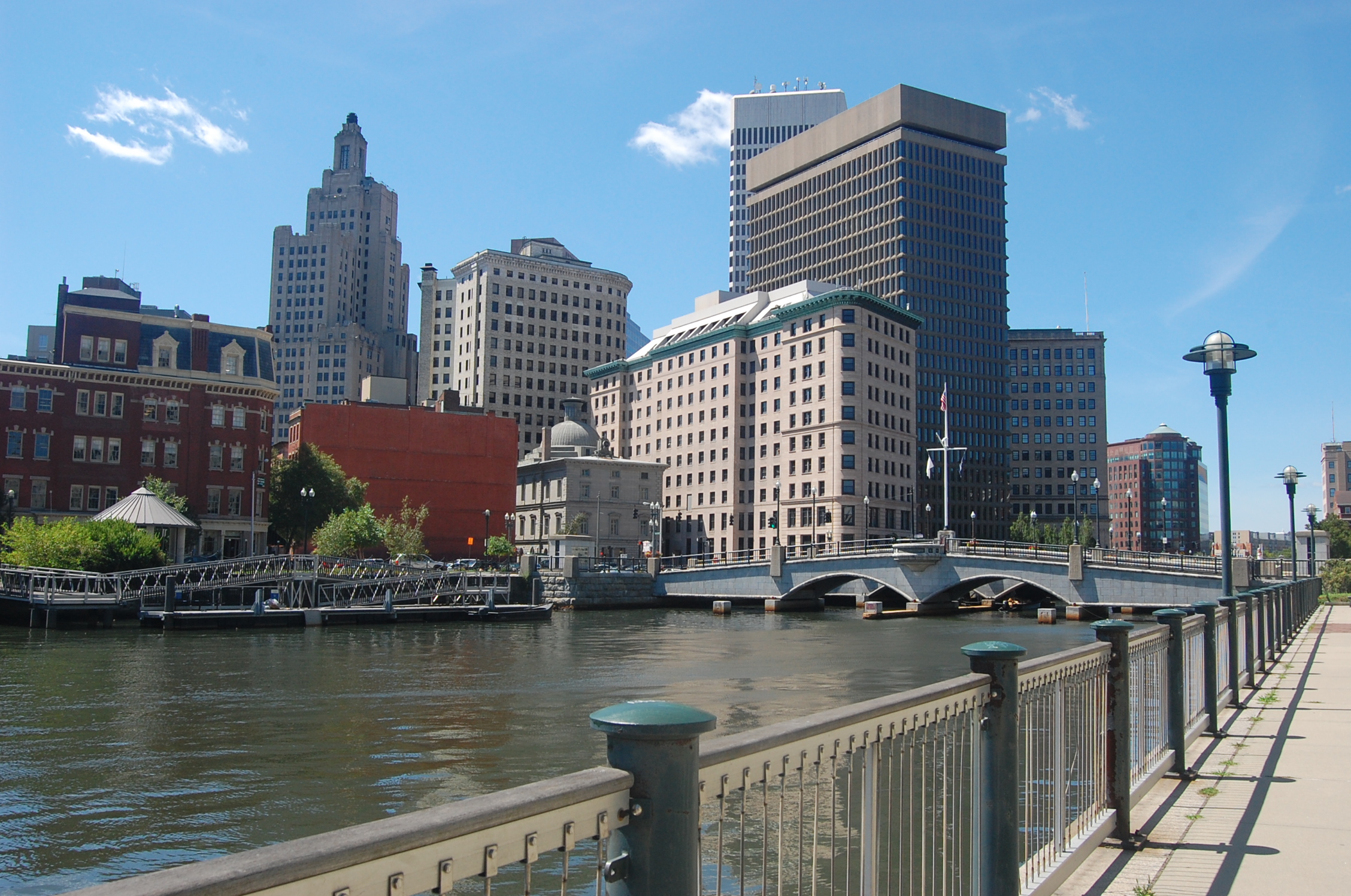
Pawtucket built the American textile industry along the Blackstone River, and the mill buildings from that era are still the defining commercial real estate in the city — some converted to loft apartments and studio space, others sitting mid-redevelopment, others still waiting. An owner running a 1031 exchange through Pawtucket is usually dealing with one of those three states, and the identification strategy looks different depending on which one applies.
Mill Conversions Versus Everything Else
A fully converted mill building — one with modern systems, documented occupancy, and a stabilized rent roll — underwrites close to a normal multifamily or mixed-use asset. A partially converted or unconverted mill is a different transaction entirely, closer to a value-add or redevelopment play than a like-kind replacement a lender will move quickly on. Both types trade in Pawtucket, often within a few blocks of each other, so it's worth being precise about which one a replacement candidate actually is before it goes on the identification list.
The city's ongoing riverfront redevelopment near the old Apex site has also pulled new attention to downtown parcels, which is changing pricing on nearby buildings faster than some owners expect.
What Older Building Systems Do to a 1031 Timeline
Mill buildings often carry original brick-and-beam structure with electrical, plumbing, and fire suppression systems that have been updated in phases rather than all at once. A lender reviewing a Pawtucket mill conversion as loan collateral will want documentation on what's been replaced and what hasn't, and that review can take longer than a comparable inspection on new construction. If that documentation isn't ready when the property is identified, it can push financing decisions past where the exchange clock is comfortable.
Insurance carriers ask similar questions, and some are more cautious about brick-and-beam mill structures than about conventional wood or steel-frame buildings of the same age. Getting a firm insurance quote before finalizing the identification list is a small step that avoids a surprise cost showing up during the 180-day closing period.
Confirming a Pawtucket Mill Property Before Identification
These are worth checking directly rather than taking on faith from a listing:
- Building system age — electrical, fire suppression, and elevator systems in particular, since mill conversions vary widely by phase
- Historic tax credit encumbrances, which can restrict certain changes if the building used them during conversion
- Rent roll seasoning for units converted in the last two years, since lease history may be thin
- Proximity to active redevelopment, which can move pricing and comparables faster than a standard appraisal cycle accounts for
- Rail and highway noise exposure near the Route 95 corridor, which affects certain unit types more than others
Why Pawtucket Often Needs a Passive Backup on the List
Because mill-conversion inventory is uneven — some buildings fully stabilized, others mid-project — it's common for a Pawtucket-focused identification list to include a DST or NNN alternative alongside the local candidate. That protects the exchange if a preferred mill building's system documentation or historic tax credit status turns out to be more complicated than the listing suggested. That backup decision should be made with the qualified intermediary before the 45-day window closes, not after a problem surfaces.
What a Pawtucket Exchange Costs When Building Age Is Ignored
The owners who run into trouble here are usually the ones who treated a mill conversion like a standard multifamily purchase and didn't ask about system age or historic credit restrictions until the lender did. That can mean a financing delay that eats into the 180-day closing period, or a valuation gap between what the identification assumed and what the appraisal actually supports. Confirming building condition and any redevelopment encumbrances early is what keeps a Pawtucket exchange on schedule — and every step should still be verified with a qualified intermediary and tax advisor. A mill building with clean system records and a seasoned rent roll can be one of the better values in the state; one without that documentation can turn into a financing problem in week eight of a forty-five day window.
Common 1031 Exchange Questions
Are mill conversion buildings in Pawtucket treated the same as standard multifamily for 1031 purposes?
The property type is like-kind either way, but a fully stabilized conversion underwrites more like standard multifamily, while a partially converted building is closer to a redevelopment play. Being clear on which one applies changes the timeline.
Do historic tax credits used during a mill conversion create restrictions for a new buyer?
They can, depending on how the credits were structured and how long they've been in place. That should be confirmed before a building is added to the identification list, since it can affect financing and future changes to the property.
How does the Route 95 corridor and rail noise affect Pawtucket property values?
It varies by unit type and building location — some buyers price it in as a minor factor, others treat it as a real drag on certain unit types. It's worth flagging during diligence rather than assuming it's negligible.
Should you expect financing delays on an older Pawtucket mill building?
Possibly, if system documentation isn't ready when the lender starts underwriting. Getting electrical, fire suppression, and elevator records organized before identification helps keep the 180-day closing period on track.
Is Pawtucket's redevelopment activity changing prices faster than appraisals can keep up?
In some pockets near the riverfront and downtown, yes. That's part of why a market comparable analysis close to the identification date matters more here than in a slower-moving submarket.