East Providence sits directly across the water from Providence, and its commercial real estate carries the marks of that geography: a waterfront that spent most of the twentieth century as industrial and petroleum-storage land, and inland corridors, Warren Avenue, Newport Avenue, and Pawtucket Avenue, that function as ordinary neighborhood retail strips. An exchange candidate here needs to be sorted into one category or the other before it gets evaluated.
East Providence is connected to Providence by a short bridge crossing and to the rest of the East Bay through Route 44 and Route 6, which keeps it within easy reach of both markets without being priced the same as either. That in-between position is part of what makes it a common source of replacement candidates for owners exiting Providence proper who want to stay close without paying Providence's premium.
A Waterfront Still Working Through Its Industrial Past
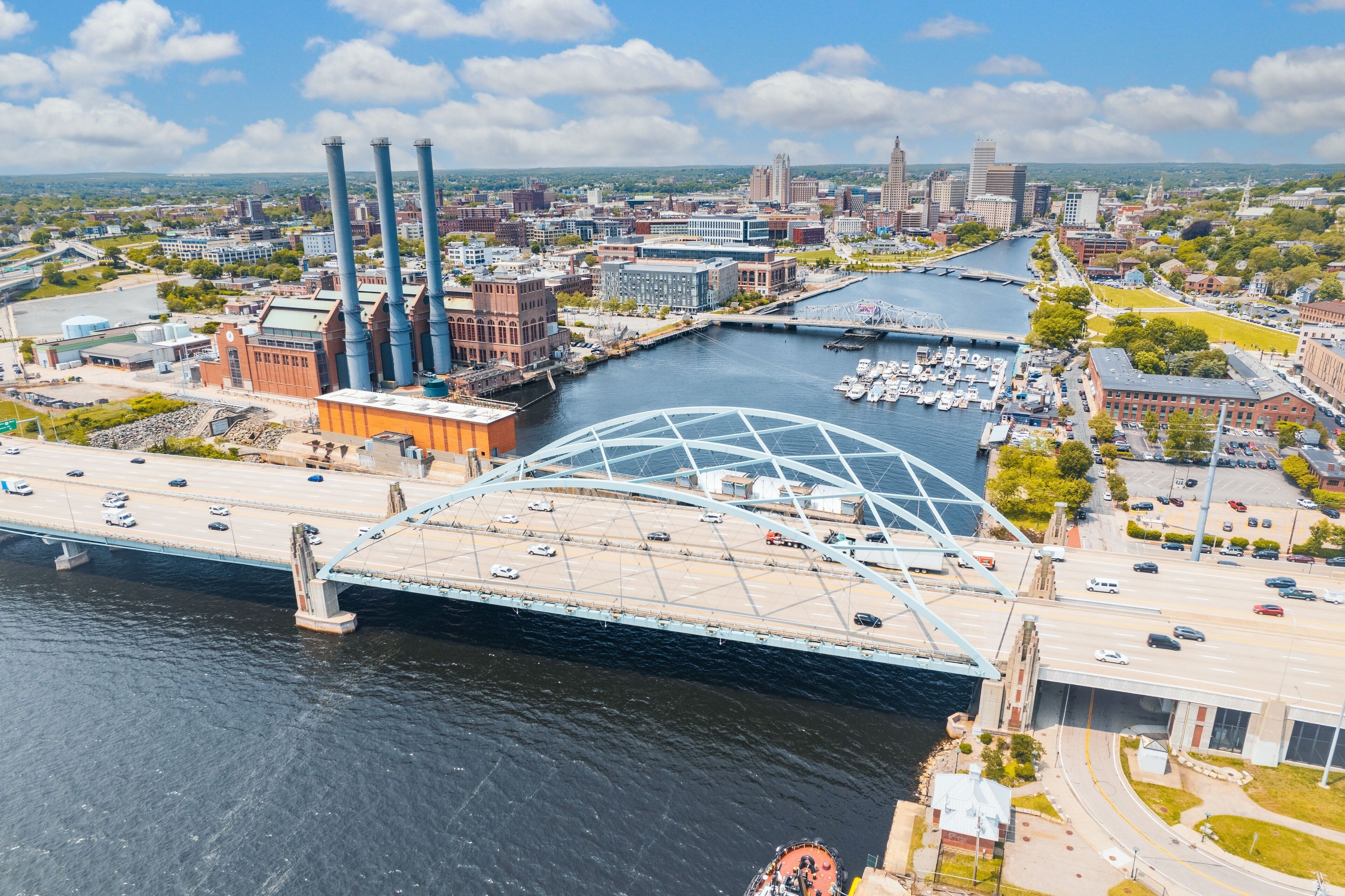
Stretches of East Providence's waterfront, including the area around Watchemoket Cove, were built up over decades as petroleum storage and industrial land. Some of that land has since been redeveloped, and some still carries the environmental record of its earlier use. Any waterfront parcel under consideration should be treated as a site with a history first, and a straightforward income property second. A prior use as a tank farm or industrial dock does not automatically disqualify a property from an exchange, but it does mean the environmental record needs to be pulled and reviewed before the site's income potential gets taken at face value, ideally before the property is committed to an identification list at all.
Warren, Newport, and Pawtucket Avenue Are the Ordinary Retail Base
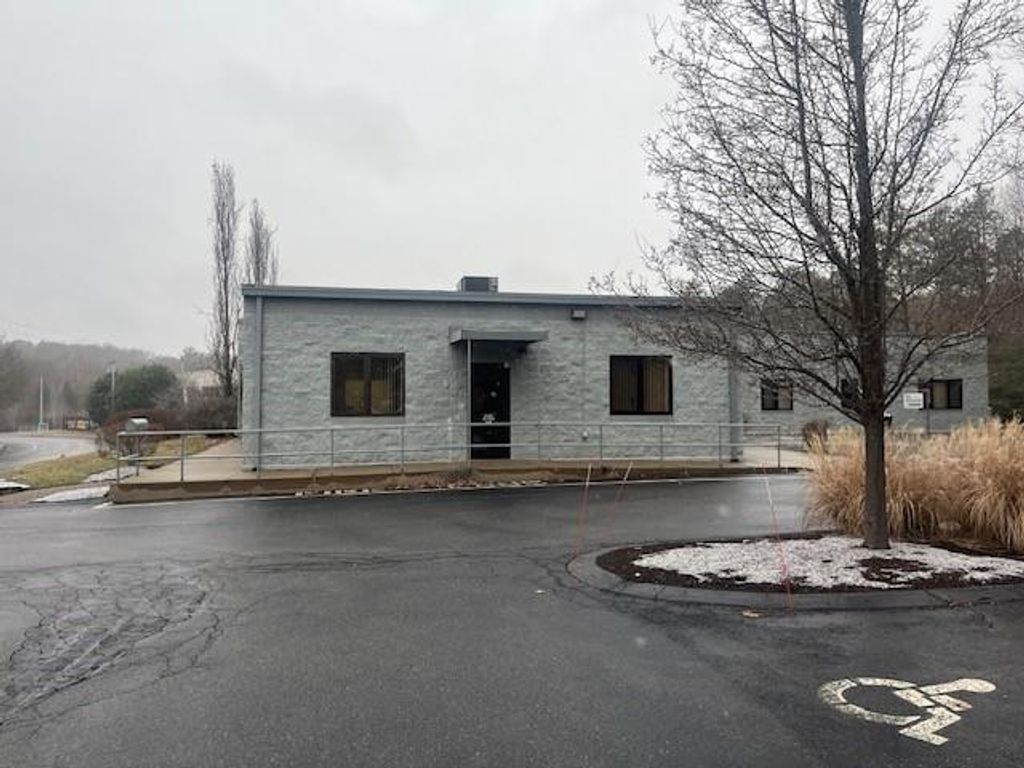
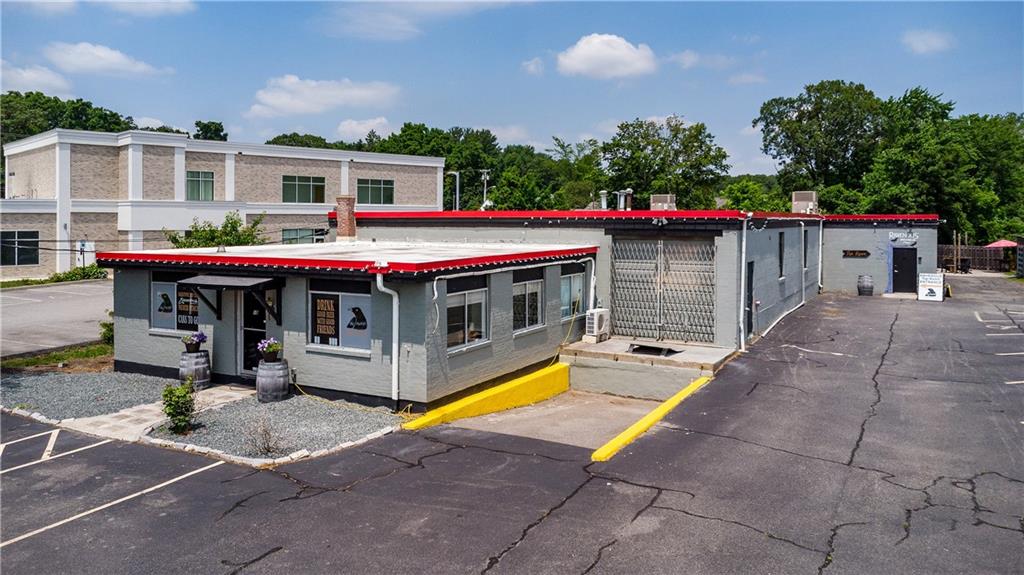
Away from the water, these three corridors carry East Providence's everyday retail and service tenants, drawing on the surrounding residential neighborhoods rather than on any redevelopment story. Underwriting here is far more conventional: standard leases, standard tenant turnover, and comparable sales that behave the way comparable sales are supposed to behave. For an owner who wants a straightforward replacement without an environmental question attached to it, a corridor property is generally the more predictable candidate to close inside the exchange window.
What Kettle Point Shows About Redevelopment Risk
Kettle Point, a former oil storage tank site turned residential and mixed-use development, is a useful reference point for anyone considering a waterfront parcel in East Providence. It took years and significant capital to move that site from its industrial past to its current use, and an owner underwriting a similar waterfront candidate should assume a comparable timeline and cost, not a shortcut version of it. Kettle Point today functions as residential and mixed-use property, which shows the eventual outcome is achievable, but it also shows that the path there rarely fits inside a single exchange's 180-day window if the site still needs remediation or approvals at the time of purchase.
Underwriting a Waterfront Parcel With Environmental History
Before any waterfront candidate is finalized, the environmental picture needs to be as clear as the income picture.
- Whether the parcel has any petroleum-storage or industrial history
- Phase I or Phase II environmental review status
- Lease strength for Warren, Newport, or Pawtucket Avenue retail tenants
- A realistic timeline for remediation or regulatory sign-off
- A corridor retail candidate as a lower-risk backup to a waterfront parcel
Why East Providence Rewards a Second Opinion Before Identification
Given how differently the waterfront and the retail corridors behave, an owner considering a waterfront candidate benefits from an early environmental consultant review alongside the usual lender and tax advisor input. A corridor retail property, by contrast, can generally move through standard diligence without that added step, which makes it the more reliable choice when the exchange clock is already running short.
Common 1031 Exchange Questions
Why does East Providence have so much industrial waterfront history?
Portions of the waterfront, including areas around Watchemoket Cove, were used for petroleum storage and industrial purposes for much of the twentieth century, which left an environmental record that new owners need to account for.
What is Kettle Point and why does it matter for underwriting?
Kettle Point is a former oil storage tank site redeveloped into residential and mixed-use property. It illustrates how long and capital-intensive that kind of waterfront redevelopment can be, which should inform expectations for any similar candidate.
Should a waterfront parcel be treated the same as a Warren Avenue retail strip?
No. A waterfront parcel needs environmental diligence that a standard retail corridor property typically does not, and the two should not be compared on income alone.
Can an exchange timeline survive an environmental review on a waterfront parcel?
Only if the review starts immediately after the property is identified. Given the 45-day and 180-day deadlines, it is prudent to keep a corridor retail candidate as a faster-closing backup.
Is retail along Pawtucket Avenue a safer bet than a waterfront candidate?
Generally yes. Corridor retail along Pawtucket Avenue involves more straightforward diligence and carries a lower risk profile as an identification candidate than a waterfront parcel with industrial history.
Why do owners exiting Providence often look at East Providence?
It sits just across the river with easy highway access to both Providence and the rest of the East Bay, offering a similar level of connectivity at a different price point, which makes it a common landing spot for a straightforward corridor replacement, particularly for owners who want to stay close to Providence without paying its retail premium or taking on waterfront-specific risk.