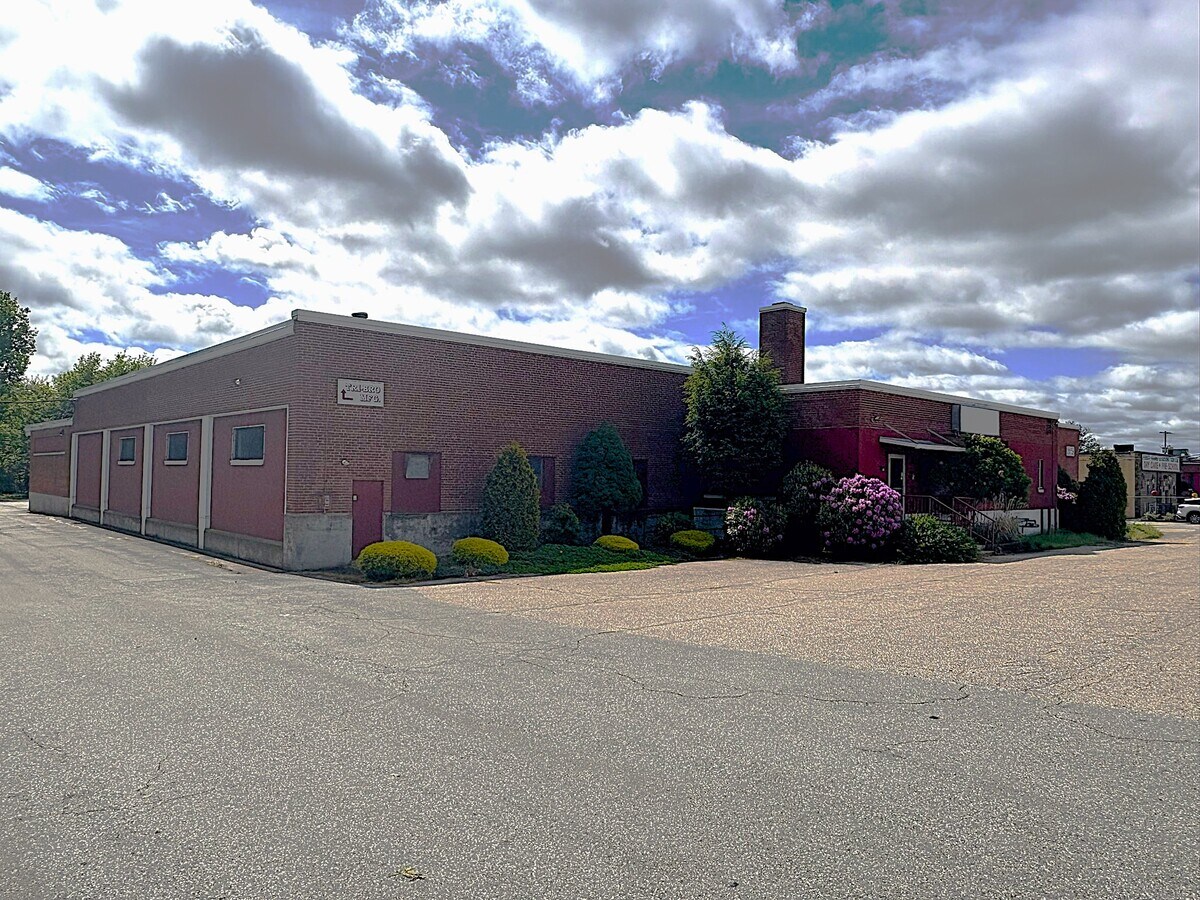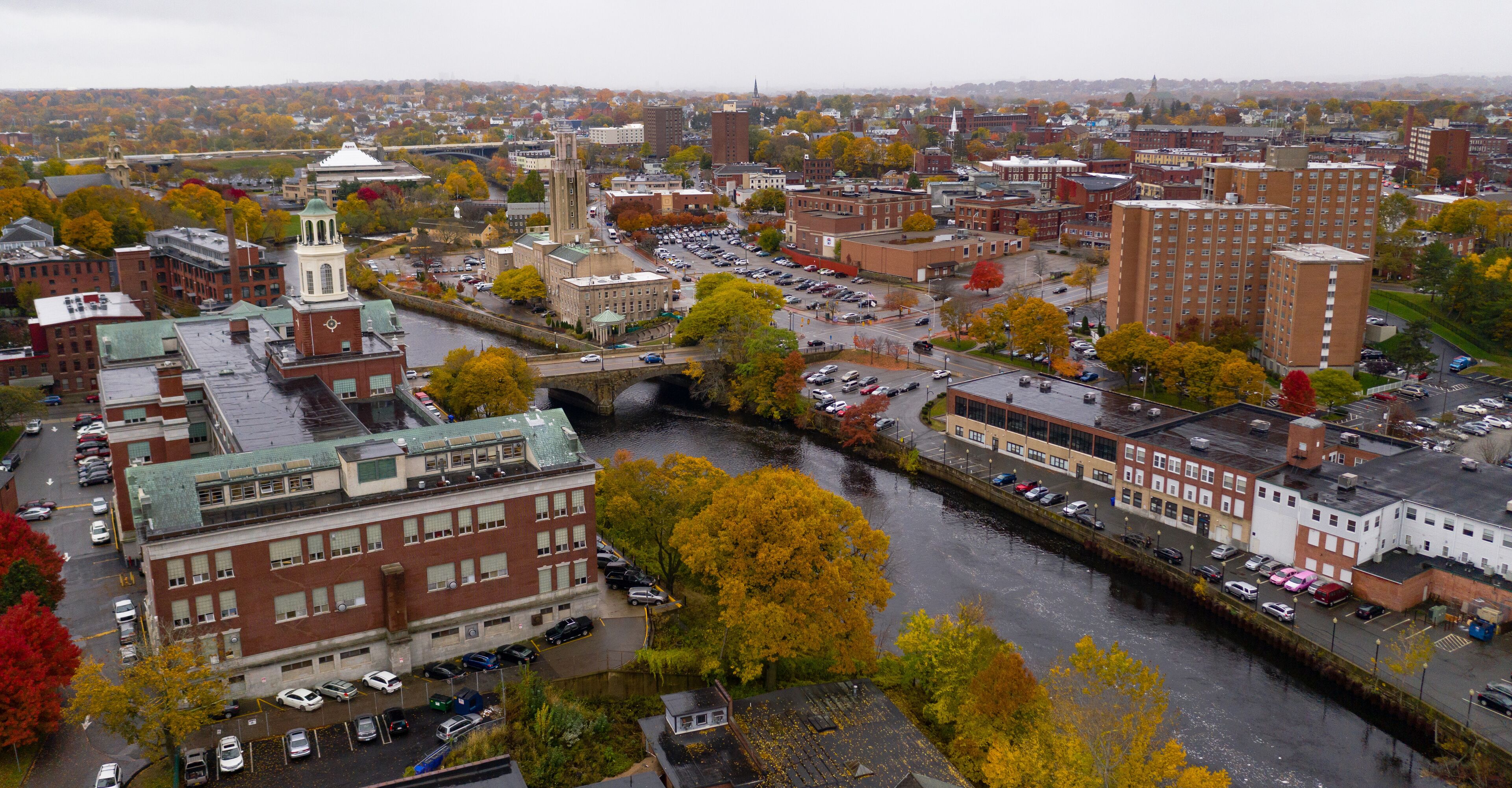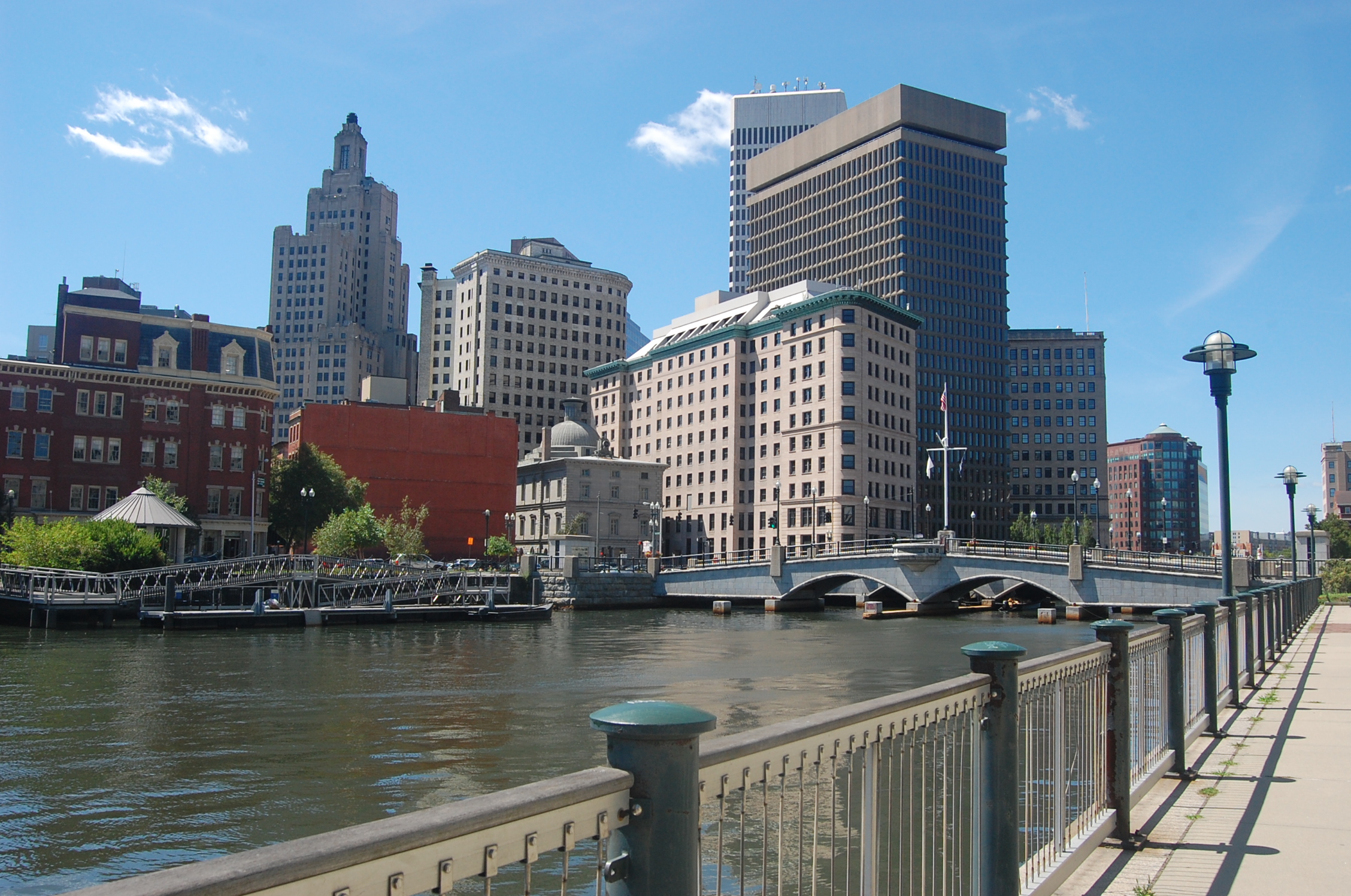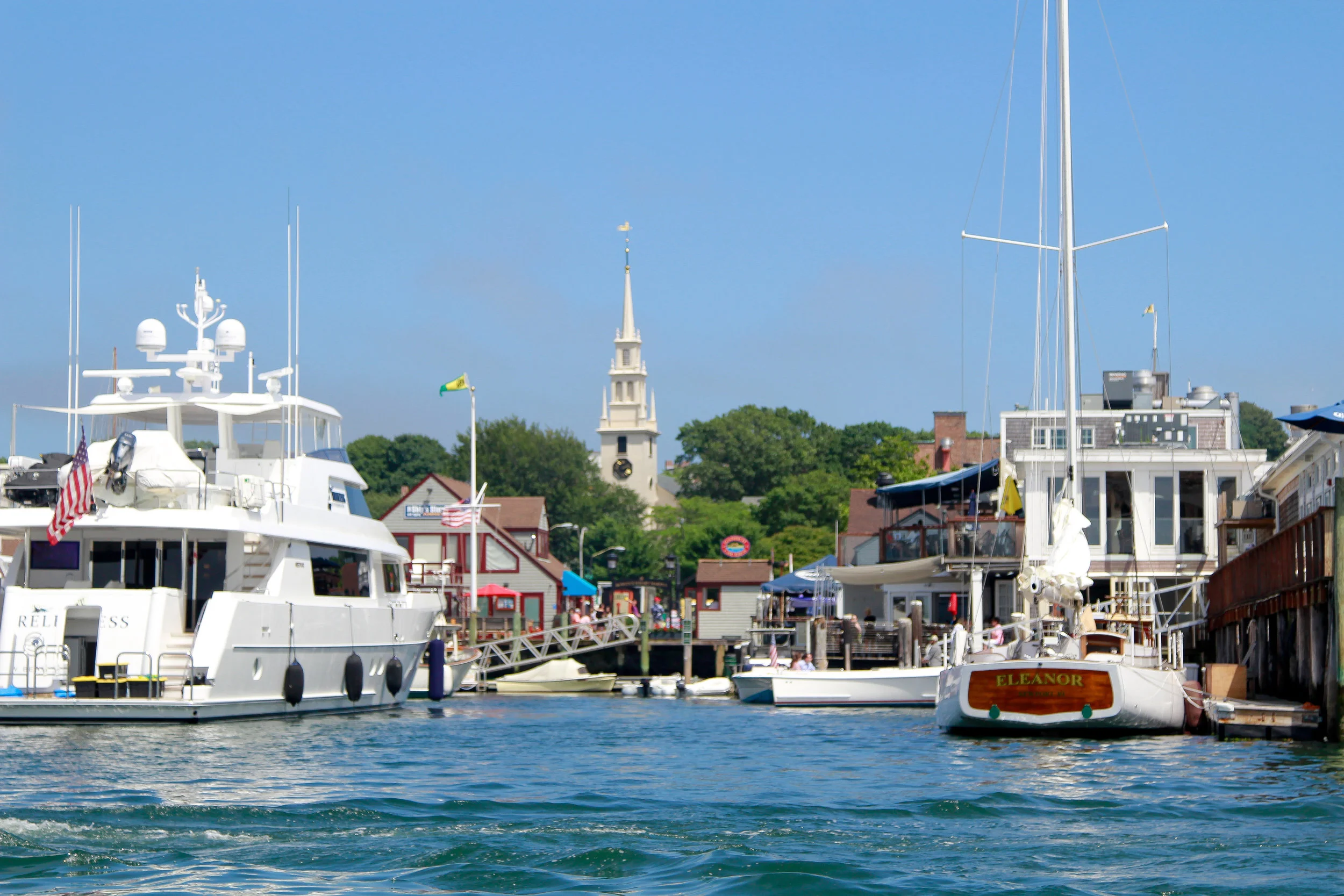
Warwick is Rhode Island's second-largest city, and its commercial property market is genuinely varied — airport-adjacent industrial and office space near T.F. Green, a long retail corridor along Post Road and Bald Hill Road centered on the Warwick Mall, and older coastal neighborhoods like Oakland Beach and Conimicut that carry their own smaller-scale commercial pockets. An owner selling here has more real options than almost anywhere else in the state, which is an advantage, but it also means the replacement search needs to be specific about which part of Warwick actually matches the relinquished property.
Airport Proximity as a Real Asset Class
Property near T.F. Green Airport benefits from a tenant base that includes logistics, car rental, hospitality, and office users tied directly to airport operations — a distinct demand driver that doesn't exist in most of the state. That proximity supports steady occupancy, but it also means flight path noise restrictions and airport-authority easements can affect certain parcels in ways a standard commercial appraisal doesn't always flag clearly. Worth confirming directly rather than assuming a property is unaffected just because it isn't immediately adjacent to the runway.
Airport expansion and terminal improvements over the years have also shifted which parcels see the most tenant interest, so an older comparable from a decade ago may no longer reflect which streets and access points are currently in demand.
Post Road and Bald Hill Road Retail Depth
Warwick's retail corridor is one of the deepest in the state, with big-box, mall-adjacent, and freestanding retail all represented. That depth is useful for 1031 identification because there are usually multiple genuine candidates rather than one or two, but it also means competition among national tenants and their lease structures varies significantly property to property — a single-tenant net lease building here trades on very different terms than a multi-tenant strip a half-mile away.
Warwick's coastal neighborhoods add a third layer entirely. Small commercial pockets near Oakland Beach and Conimicut serve a mostly local, year-round customer base rather than the regional draw of the Post Road corridor, and they should be evaluated against their own comparables rather than priced off a mall-adjacent retail number.
What to Confirm on a Warwick Replacement Candidate
Given how varied the city's stock is, these are worth checking property by property rather than assuming they're consistent across Warwick:
- Airport authority easements or noise restrictions on any parcel near T.F. Green
- Lease structure — single-tenant net lease versus multi-tenant retail carries very different underwriting
- Coastal neighborhood flood exposure for property near Oakland Beach or Conimicut
- Traffic and access changes along Post Road and Bald Hill Road that can affect certain parcels' visibility and value
Why Warwick's Range Can Work for or Against a 45-Day Window
Having more inventory available is genuinely useful for meeting the three-property or 200% rule with real candidates rather than padding a list with properties that aren't seriously in play. But that same range can also lead an owner to spread the identification list too thin across dissimilar property types — airport industrial, mall retail, and coastal small commercial don't behave the same way under financing or lease review, and treating them interchangeably during the 45-day window can slow the process down rather than speed it up.
What Gets Missed When Warwick's Variety Is Treated as Uniform
The risk in Warwick isn't scarcity, it's the opposite — assuming that because there's more inventory, every candidate is roughly interchangeable. An airport-adjacent property with an easement issue, or a retail building with a lease structure that doesn't match the relinquished asset's income profile, can still derail a closing even in a deep market. Confirming lease terms, easements, and flood exposure property by property, rather than relying on the corridor's general reputation, is what keeps a Warwick exchange moving on schedule, whether the candidate sits near the airport, along the retail corridor, or in one of the coastal neighborhoods. All of this should be confirmed directly with a qualified intermediary and tax advisor.
Common 1031 Exchange Questions
Does proximity to T.F. Green Airport help or complicate a Warwick 1031 replacement?
Both. It supports steady tenant demand from logistics, hospitality, and airport-related users, but some parcels carry airport authority easements or noise restrictions worth confirming before identification.
Is Post Road retail a reliable 1031 replacement category in Warwick?
Generally yes, and there's real depth to choose from, but lease structure varies significantly — a single-tenant net lease building underwrites very differently than a multi-tenant strip nearby, so the two shouldn't be priced off the same comparable set.
Should you worry about flood exposure in Warwick's coastal neighborhoods?
Yes, for property near Oakland Beach, Conimicut, or other coastal pockets. That exposure should be underwritten into the purchase price and insurance cost before the property is added to the identification list.
Does having more inventory in Warwick make the 45-day identification easier?
It helps, but only if the candidates are genuinely comparable. Spreading a list across dissimilar property types — airport industrial, mall retail, coastal retail — without evaluating each on its own terms can slow the process instead of speeding it up.
What financing differences should you expect between airport-area and inland Warwick retail?
Airport-adjacent collateral sometimes takes longer for a lender to review due to easements or flight path considerations, while standard inland retail on Post Road typically underwrites on a more conventional timeline familiar to most Rhode Island commercial lenders.