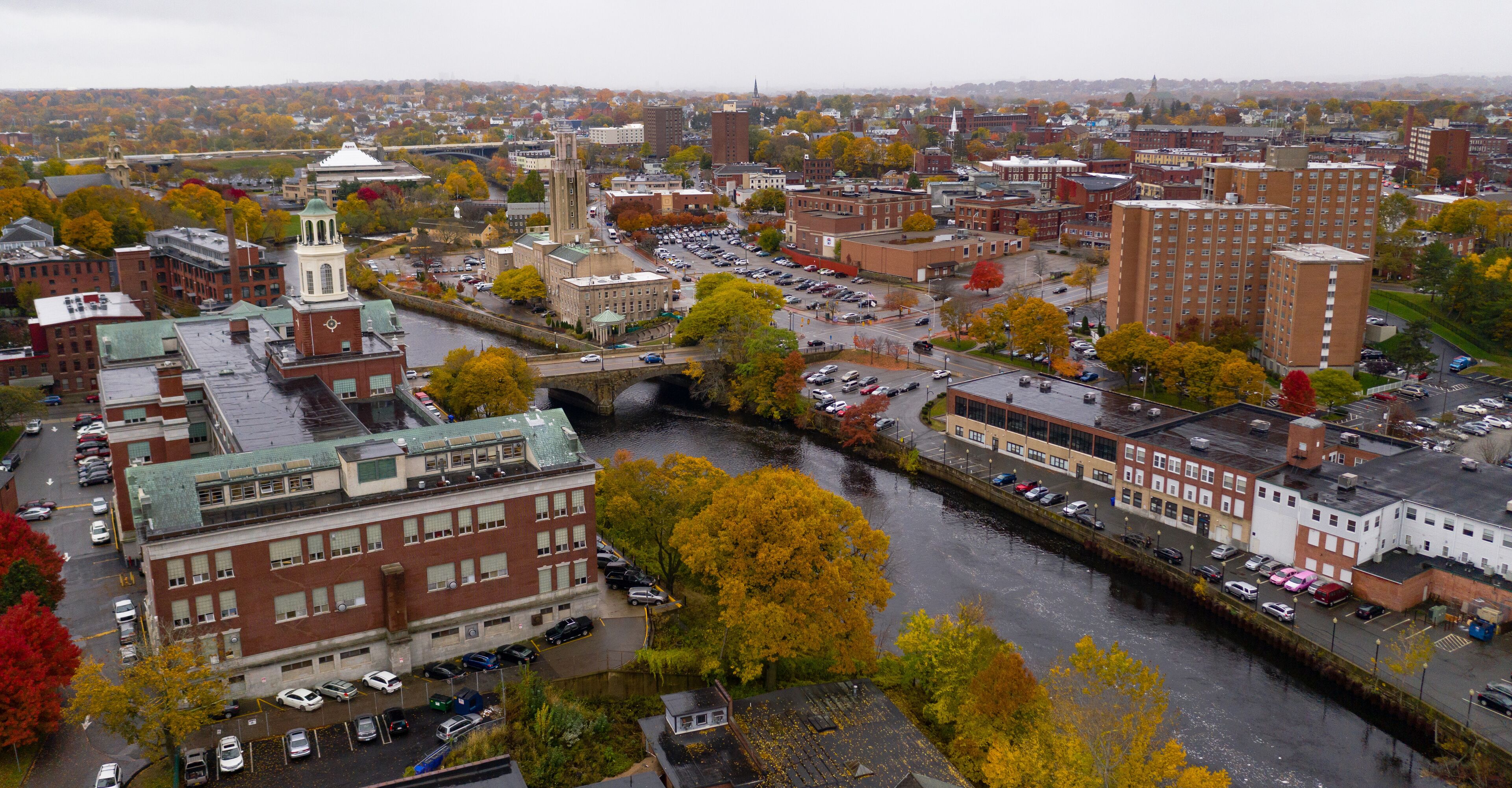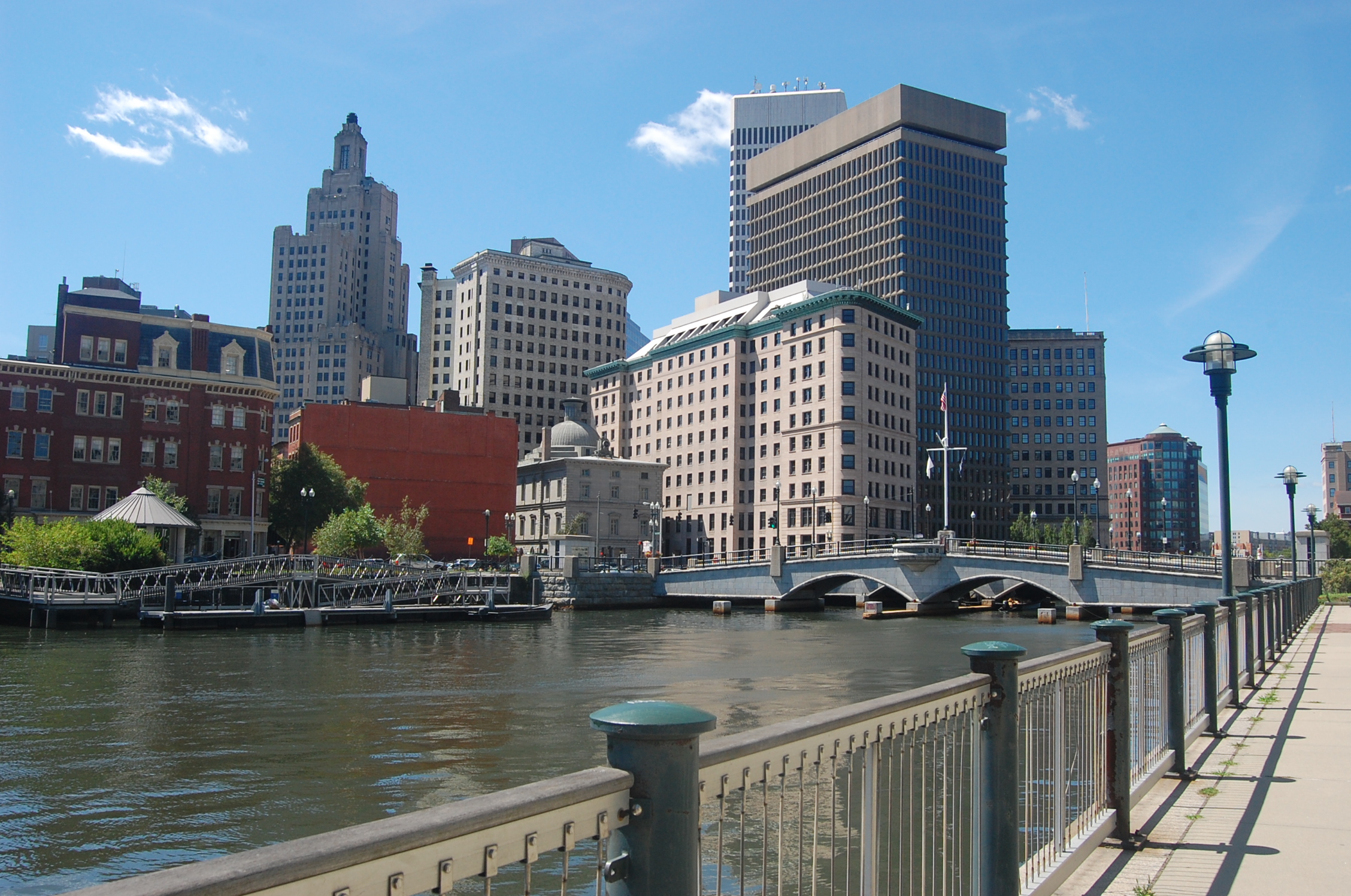
Providence is the one Rhode Island submarket where an owner actually has to worry about competition for a good replacement property, since availability alone isn't the constraint here the way it is elsewhere in the state. Between Brown University, RISD, Providence College, Johnson & Wales, and the Lifespan and Care New England hospital systems, the city runs on institutional demand in a way no other Rhode Island city does. That density supports real depth in office, medical, and mixed-use property — but it also means a well-priced Providence replacement doesn't sit on the market long, and a 1031 identification list needs to move at that pace.
The Eds-and-Meds Effect on Tenant Demand
Medical office space near the hospital campuses and college-adjacent retail and residential property both benefit from tenant bases that don't disappear in a downturn the way a purely discretionary retail tenant might. That stability is real, but it also means these properties price at a premium relative to comparable space elsewhere in the state, and a replacement search that only looks at cap rate without accounting for the tenant durability behind it can miss why a Providence property costs more than it looks like it should on paper.
The Jewelry District's shift from manufacturing toward biomedical and life-sciences space, tied closely to the university and hospital systems nearby, has also pulled new capital into buildings that were undervalued a decade ago — worth knowing if a comparable is priced off older data.
Rents in that district have moved unevenly, with some renovated buildings commanding office and lab-adjacent rates that would have seemed unrealistic for the neighborhood not long ago, while a few blocks over, older industrial space still trades closer to its historical basis. An identification list built off a single comparable from either extreme can misprice the whole search.
Downtown Parking and Access as a Real Underwriting Factor
Anything in the downtown core or Jewelry District needs a straight answer on parking before it goes on the identification list. Providence has less structured parking than a comparable-sized city, and a tenant mix that depends on daily commuters or patients can be affected by that shortage in ways a suburban property never has to consider. Lenders reviewing downtown collateral will ask about parking ratios directly, and having that answer ready before identification avoids a delay during underwriting.
Federal Hill and College Hill add two more distinct submarkets to the mix — one driven by restaurant and retail foot traffic, the other driven by proximity to Brown and RISD student housing demand. Neither behaves like the Jewelry District or the downtown financial core, so a comparable pulled from the wrong neighborhood can misprice a candidate before it's even identified.
What to Confirm on a Providence Replacement Candidate
A few items worth checking directly given how competitive this market runs:
- Lease durability tied to institutional or medical tenants versus more discretionary retail or office users
- Parking ratios and access, especially for downtown and Jewelry District properties
- Pricing relative to recent comparables, since institutional demand can move values faster than a stale comp set reflects
- Lender queue times, since competitive properties can attract multiple buyers moving on the same financing timeline
Moving Fast Without Skipping the Record
Because good Providence properties move quickly, there's a temptation to shortcut documentation to keep pace with a competing buyer. That's exactly the wrong moment to skip it — the 45-day identification and 180-day closing deadlines don't move regardless of how competitive the local market is, and a rushed identification that skips rent roll or title review can create exactly the kind of gap that turns into boot at closing. Working with the qualified intermediary on identification language early, before a specific property is even under contract, keeps the exchange moving at Providence's pace without sacrificing the record.
What Competing for a Providence Property Actually Costs If Rushed
Owners who chase a competitive Providence deal without a documented backup plan tend to end up either overpaying to win the property or losing it and scrambling late in the 45-day window. Either outcome is avoidable with an identification list that includes a solid secondary candidate from the start, priced against current data rather than a comparable that's already a year or two stale. Every structuring and timing decision should still be confirmed directly with a qualified intermediary and tax advisor.
Common 1031 Exchange Questions
Why do Providence replacement properties often price higher than comparable Rhode Island cities?
Institutional tenant demand from the universities and hospital systems supports more durable income, and buyers pay a premium for that stability relative to a market without the same anchor tenants.
How much does downtown parking availability matter for a Providence 1031 replacement?
It matters more than in most suburban submarkets. Lenders will ask about parking ratios directly for downtown or Jewelry District collateral, so it's worth having that answer ready before identification.
Is competition for good Providence properties a real risk during the 45-day window?
Yes, particularly for well-priced medical office and mixed-use buildings near the hospital and university campuses. That's part of why a documented backup candidate matters here more than in slower markets.
Should you expect financing to move faster in Providence because it's the state's largest market?
Not automatically. Competitive properties can attract multiple buyers working the same lenders, which can extend queue times rather than shorten them.
Is the Jewelry District a reliable comparable for older industrial-style Providence buildings?
Use recent data carefully — the district's shift toward life-sciences and biomedical use has changed pricing on buildings that were valued very differently even a few years ago.