North Providence doesn't have a defining commercial landmark the way some of its neighbors do — no port, no university, no airport. What it has is density: a tightly built residential town wrapped around a few commercial strips, mostly along Mineral Spring Avenue and Smithfield Road, plus small multifamily buildings tucked into neighborhoods like Marieville and Centredale. That's a real advantage for a 1031 replacement search, but only if the owner is honest that this is a smaller-asset market, not a scaled-down version of Providence.
The Realistic Range of Replacement Property Here
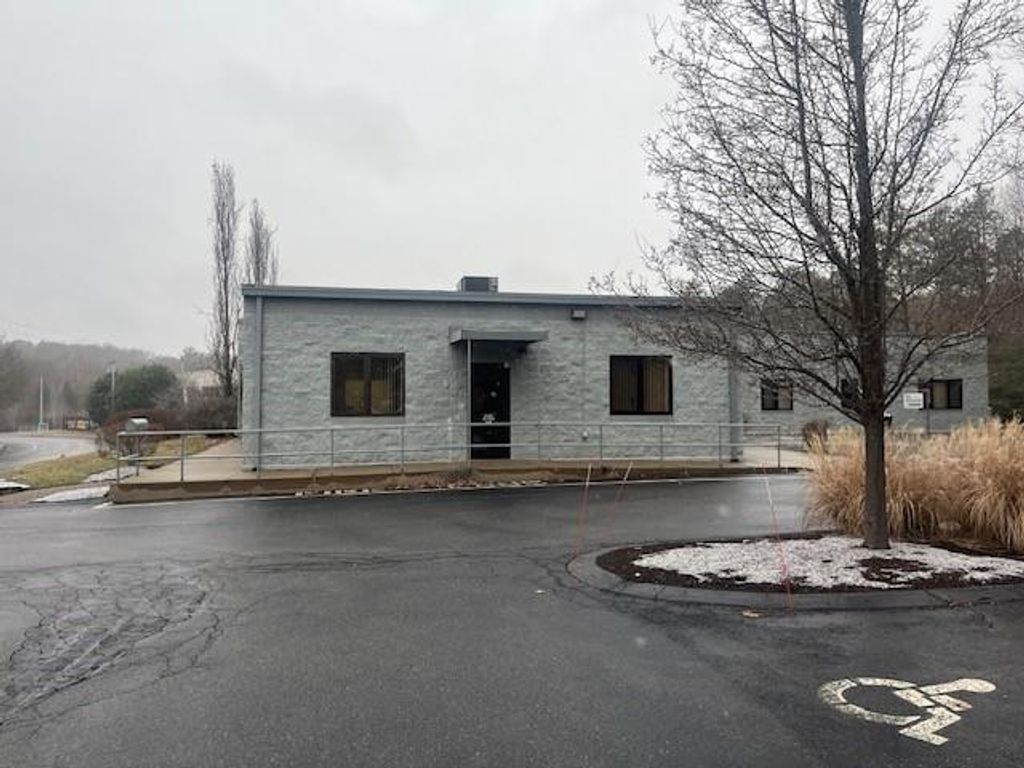
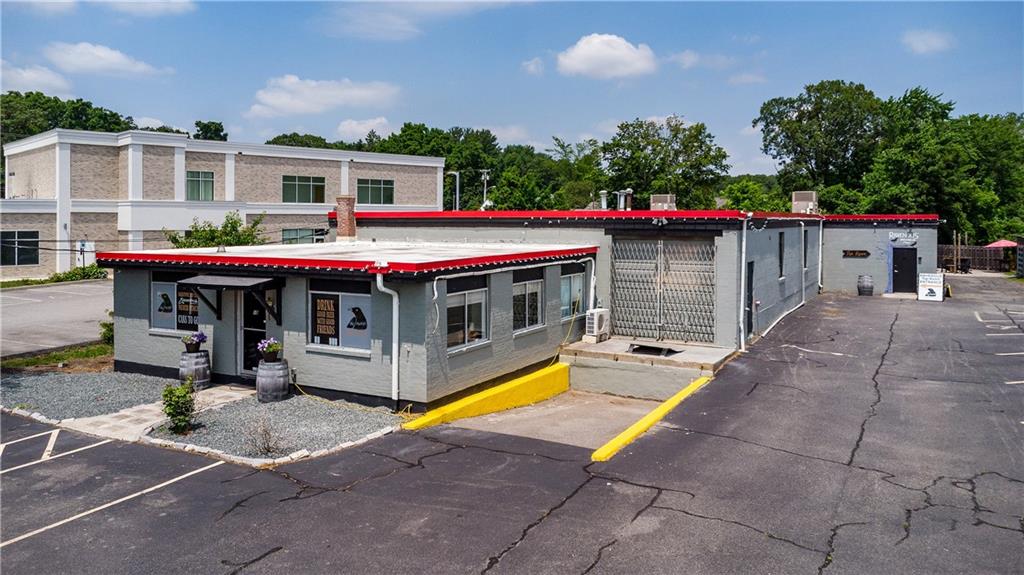
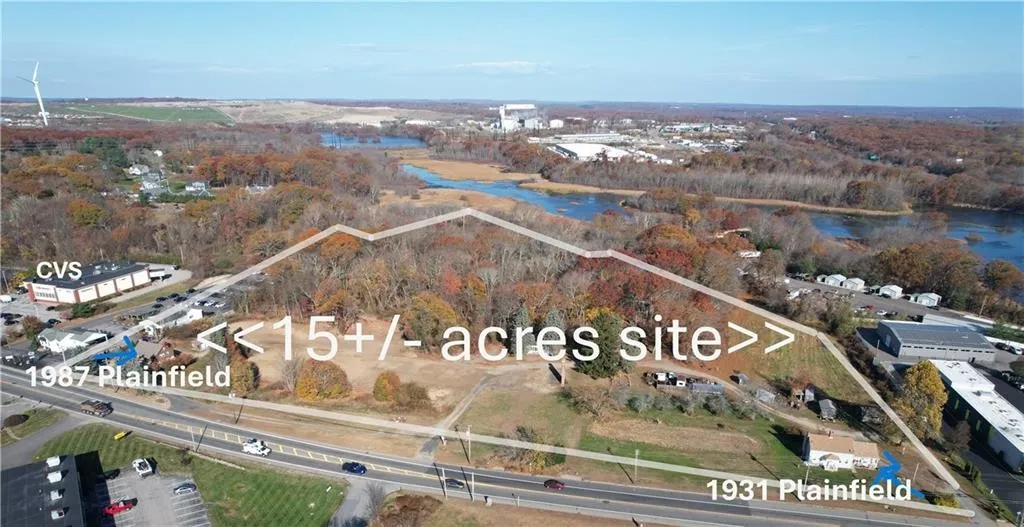
Most of what trades in North Providence falls into two categories: small multifamily buildings, typically under a dozen units, and neighborhood retail or service space along the main commercial corridors. There's very little large-format industrial or office space, and almost no ground-up development land left to build on. That narrower range isn't a weakness in a 1031 context — smaller assets can close faster and carry less financing complexity — but it does mean an owner comparing a North Providence candidate to a Providence or Warwick property is comparing across a real difference in scale, not merely location.
Why Rent Documentation Still Matters at This Size
Owners sometimes assume that a smaller building means lighter diligence, but the opposite is often true: with only a handful of units or tenants, a single vacancy or a lease that isn't properly documented has an outsized effect on the rent roll a lender sees. A small multifamily building with two units on informal leases can look materially different in underwriting than one where every unit has a current, signed lease and a clean payment record. That distinction gets sorted out during identification, not after the property is already on the list.
Buildings along the older sections of Mineral Spring Avenue and Smithfield Road also tend to have mixed ownership histories, with some parcels held by the same family for decades and others turned over more recently. That history is worth reviewing directly, since a longtime owner's informal recordkeeping doesn't always translate cleanly into the documentation a lender expects at closing.
Confirming a North Providence Candidate Before Identification
A few things worth checking directly rather than assuming they're in order:
- Lease documentation on every unit, since informal or expired leases are common in older small multifamily stock
- Utility metering arrangements, which affect both expense allocation and buyer financing
- Deferred maintenance on older building systems that a smaller building's income may not have funded
- Zoning consistency between actual use and the town's current commercial designations
Where a North Providence Exchange Usually Needs a Backup
Because inventory here turns over in smaller increments, a 1031 identification built entirely around North Providence candidates can run short on real alternatives. Pairing a local candidate with a comparable property in an adjacent town, or with a passive DST position, gives the exchange room if the preferred North Providence building's title or rent documentation doesn't clear in time. That backup planning should happen before the identification list is finalized, working directly with the qualified intermediary on timing.
Neighboring Providence and Johnston both offer larger, more liquid inventory in the same general asset classes, which makes either one a reasonable pairing for a North Providence candidate rather than a completely unrelated market. That proximity keeps a backup plan practical instead of forcing a search into an unfamiliar submarket under time pressure.
What Gets Missed When This Market Is Treated as an Afterthought
The mistake owners make with a smaller market like this is treating the replacement search as a formality because the assets themselves are modest. A rent roll with undocumented units, or a building with deferred maintenance that wasn't disclosed until the appraisal, can still derail a 180-day closing just as easily as it would on a much larger deal. Scale down the property, not the diligence. A quiet town like this one rewards an owner who does the same level of homework on a six-unit building that they would on a sixty-unit one. Every structuring decision should be confirmed with a qualified intermediary and tax advisor before the identification period closes.
Common 1031 Exchange Questions
Is North Providence too small a market to anchor a full 1031 identification list?
It can be, depending on the size of the relinquished property. Pairing a North Providence candidate with a backup in a neighboring town or a passive structure is a common way to keep the identification list realistic.
Do small multifamily buildings here get the same underwriting scrutiny as larger properties?
Yes, and in some ways more per unit — with only a handful of leases, one undocumented tenancy has a bigger effect on the rent roll a lender reviews than it would in a larger building.
What's the difference between a North Providence replacement and a comparable Providence property?
Mostly scale and tenant mix. North Providence trades in smaller multifamily and neighborhood retail, while Providence includes larger institutional and mixed-use assets that carry different financing and lease structures.
How does deferred maintenance affect a small multifamily 1031 replacement here?
It can surface late, during appraisal or lender inspection, if it wasn't flagged during identification. Confirming building condition before naming the property avoids a last-minute renegotiation.
Should you expect zoning questions on North Providence commercial buildings?
It's worth checking that the actual use matches current zoning, since some of the town's small commercial strips have older buildings with uses that predate current designations.