Financing has to move on the exchange calendar, and the exchange calendar does not move for the lender. A property that is otherwise a strong replacement candidate is worthless to the exchange if the loan cannot close inside 180 days, and yet owners routinely treat financing as something to sort out after a property is identified rather than before. That ordering is backward. A property should not go on the identification list until there is at least a preliminary lender read confirming the deal can actually be financed on a timeline the exchange can absorb.
Rhode Island adds specific friction to this timeline that owners from other markets do not always anticipate. Coastal flood insurance requirements, environmental review on older industrial and mill-building stock, and appraisal timing in thinner submarkets can all push a routine financing process past what the exchange clock allows if nobody checks for it in advance.
What a Lender Wants to See Before Identification Closes
Getting a genuine preflight read, not a rate quote, but an honest assessment of what the lender will require and how long it will take, before a property is formally identified changes the entire risk profile of the exchange. Lenders generally want to see the property's rent roll or lease terms, a sense of the borrower's financial position, and enough detail about the asset to flag any issue that would slow underwriting, before they will give a realistic timeline commitment.
The properties most likely to surprise an owner at the financing stage are coastal assets requiring flood insurance confirmation, industrial buildings with any history of manufacturing or fuel storage use, and smaller multifamily or mixed-use buildings in denser Providence neighborhoods where condition issues can complicate underwriting more than the purchase price would suggest.
Coastal Insurance and Appraisal Timing Issues
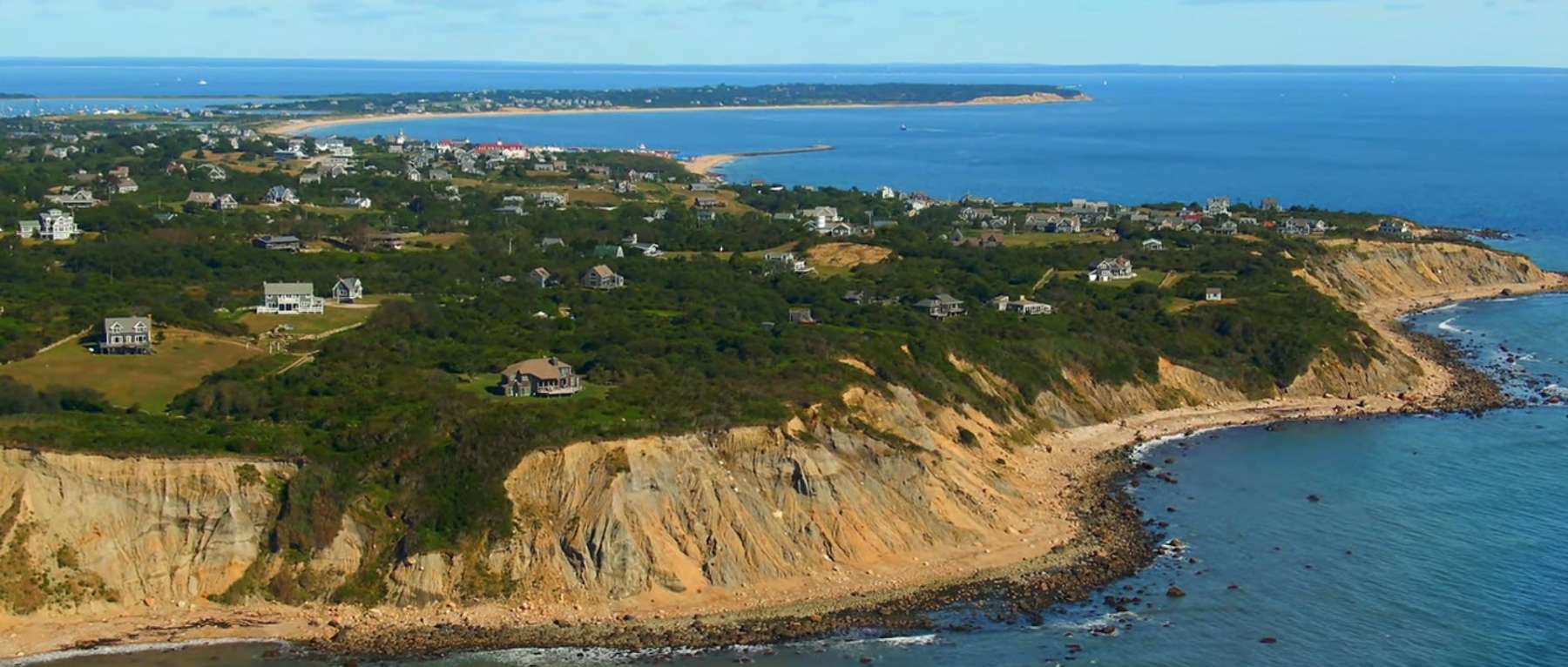
A lender financing property in Newport, Middletown, Barrington, or another coastal Rhode Island town will typically require a flood insurance binder before funding, and obtaining that binder can take considerably longer than a standard hazard policy, particularly if the property sits in a flood zone that requires an elevation certificate.
- Request flood zone status and elevation documentation as early as possible for coastal candidates
- Confirm appraisal turnaround time with the lender before assuming a standard two to three week window
- Ask directly whether environmental review will be required for industrial or older mill-building property
- Get a written estimate of total time from application to funding, beyond a target closing date alone
- Confirm loan terms against the exchange budget before the identification list is finalized
Any one of these items, checked after identification instead of before, can turn a workable exchange into a missed deadline.
Coordinating Preapproval With the QI and Closing Team
Lender preflight work should run alongside, not after, the qualified intermediary's exchange setup and the title company's early review. A lender who is looped in before identification, and who understands the property is part of a 1031 exchange with a hard 180-day deadline, can flag timeline risks early rather than discovering them once the loan application is already submitted.
This coordination matters most for owners considering more than one property type at once, weighing a Quonset-area industrial building against a Providence multifamily property, for instance, since each carries a different lender review process and the owner needs a realistic timeline for each before deciding which one to prioritize as the deadline approaches.
What a Late Financing Surprise Actually Costs the Exchange
An owner who identifies a property, assumes financing will follow, and discovers at day 150 that the lender needs another month for environmental review or flood insurance documentation is not facing a minor delay. That owner is facing a choice between missing the 180-day deadline entirely or scrambling to activate a backup property that has not been kept current through the exchange.
A preflight conversation with the lender before identification, even an informal one, is a small investment of time against that outcome. It does not guarantee a smooth closing, but it replaces a guess about financing timeline with an actual answer, which is the entire point of running the exchange on a calendar instead of hope.
Common 1031 Exchange Questions
Should financing be arranged before or after a property is identified?
A preliminary lender read should happen before a property is formally identified, so the owner knows whether financing can realistically close inside the exchange timeline before committing an identification slot to that property.
What if a lender requires more equity than the exchange budget assumed?
This is one of the more common late-stage surprises. Confirming loan-to-value expectations during the preflight conversation, before identification, avoids discovering a funding gap once the deal is already under contract.
How does flood insurance affect financing timing for coastal Rhode Island property?
Lenders typically will not fund without a flood insurance binder in place, and obtaining one can take longer than a standard hazard policy, especially if an elevation certificate is required. This should be checked before identification, not during closing week.
Can financing fall through after a property has already been identified?
Yes, and it is one of the most common reasons an otherwise sound exchange misses the 180-day deadline. Preflight coordination with the lender reduces this risk but does not eliminate it entirely.
Does financing work differently for a DST placement compared to a direct property purchase?
Yes. DST offerings are typically financed at the sponsor level as part of the trust structure, so the investor is not separately underwritten for a loan the way they would be for a directly owned replacement property.