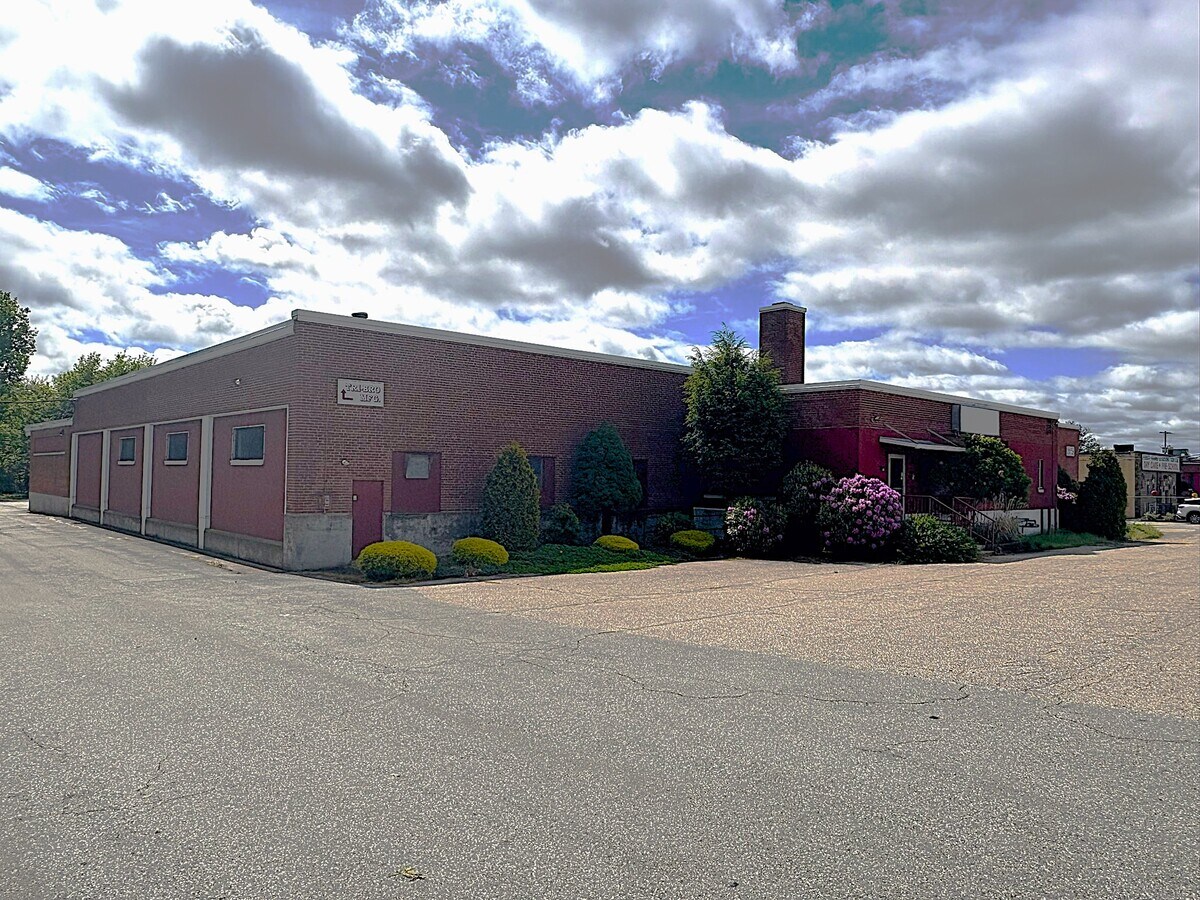
Coventry is the largest town in Rhode Island by land area, and most of that land is residential or wooded, not commercial. What commercial inventory exists is spread thin along Route 117 and Route 3, with small retail plazas, a handful of light-industrial buildings, and old mill village centers left over from Coventry's nineteenth-century textile history. An exchange candidate here rarely looks like a single obvious submarket; it looks like a short list of unrelated property types scattered across a large, low-density town.
Route 117 and Route 3 Carry Almost All the Retail
These two corridors hold the bulk of Coventry's active commercial activity: small shopping plazas, service businesses, and gas stations serving the surrounding neighborhoods. The tenant mix is modest, driven by local demand rather than regional draw, and rents reflect that. An owner comparing a Route 117 property to something in Cranston or Warwick should expect a lower rent basis and a smaller, more localized tenant pool. That difference matters when a replacement candidate is being weighed against a relinquished property that sold in a stronger market, since a Coventry building priced on Route 117 fundamentals will rarely match a Providence-area valuation dollar for dollar, and forcing that comparison can lead an owner to overpay for the sake of staying local.
The Old Mill Villages Are Character, Not a Commercial Submarket
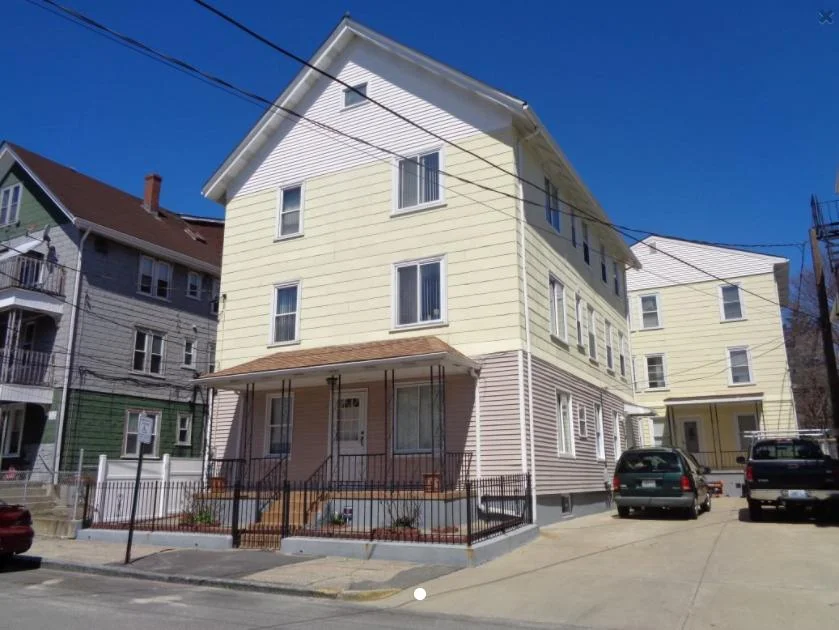
Coventry's historic mill villages, including Anthony, Washington, and Greene, still show the housing and small commercial buildings that grew up around nineteenth-century textile mills. They give the town real character, but the commercial space in and around them is limited and small in scale. A property near one of these villages should be evaluated on its own income and condition, not on the assumption that historic charm translates into commercial demand.
Buildings in these village centers are often older wood-frame or mill-adjacent structures with small footprints, sometimes housing a single tenant such as a general store, a barber, or a small service business. Because so few of these properties turn over, an owner treating one as a serious identification candidate should confirm its actual lease income and condition well before the deadline, rather than relying on the village's reputation to carry the underwriting.
Tiogue Lake Proximity Does Not Make a Property an Income Asset
Tiogue Lake draws seasonal residential interest and some recreation-related business, but a commercial property a few blocks from the lake is not automatically worth more because of that proximity unless the tenant's business actually depends on lake traffic. That distinction matters when comparing asking prices, since lake-adjacent marketing language can inflate a property's perceived value beyond what its lease terms and tenant base actually support.
Financing Rural and Small-Town Coventry Property
Coventry's rural character shows up in financing too. Comparable sales are often thin within town limits alone, so lenders and appraisers frequently need to pull comps from a wider Kent County radius, and older mill village parcels can carry title complications tied to their nineteenth-century subdivision history.
- Whether the property is on municipal sewer or a private septic system
- Comparable sales pulled from a wider Kent County radius, not Coventry alone
- Title history on older mill village parcels
- A realistic timeline for a rural appraisal to come back
- A backup candidate closer to Providence in case Coventry underwriting slips
Matching Coventry's Slower Pace to a 180-Day Exchange Clock
Rural transactions in Coventry can move slower than an owner expects, particularly when septic inspections, well testing, or title research on an older parcel are involved. Building extra time into the closing plan, and keeping a faster-closing backup candidate on the identification list, protects the exchange if a Coventry property's diligence runs longer than the 180-day period allows.
An owner working with a qualified intermediary should flag a rural Coventry candidate early so the intermediary and the closing attorney both understand why the timeline may run longer than a typical suburban transaction. That early flag also gives a tax advisor time to confirm the exchange still makes financial sense if the closing date slips closer to the outer edge of the 180-day period.
Common 1031 Exchange Questions
Why is Coventry's commercial inventory so spread out?
Coventry is the largest town in Rhode Island by land area, and most of it is residential or wooded. Commercial activity is concentrated on Route 117 and Route 3, with a smaller amount scattered through the old mill villages.
Are the old mill villages a good source of income property?
They can be, but the commercial space in villages like Anthony and Washington is small in scale. Verify the actual rentable income and tenant base rather than assuming historic character adds commercial value.
Does proximity to Tiogue Lake add value to a commercial property?
Only if the tenant's business genuinely depends on lake-related traffic. Otherwise, lake proximity should not be weighted heavily in the property's valuation.
Why might a Coventry closing take longer than expected?
Septic and well questions on parcels outside sewer service areas, along with title research on older mill village lots, can extend diligence timelines beyond what a more urban transaction would require.
Should a Coventry exchange include a backup candidate elsewhere?
Yes. Given the potential for longer rural diligence timelines, keeping a faster-closing candidate closer to Providence on the identification list protects the 180-day exchange deadline, and it gives the owner a real alternative if septic, well, or title issues push the Coventry closing past a workable date.