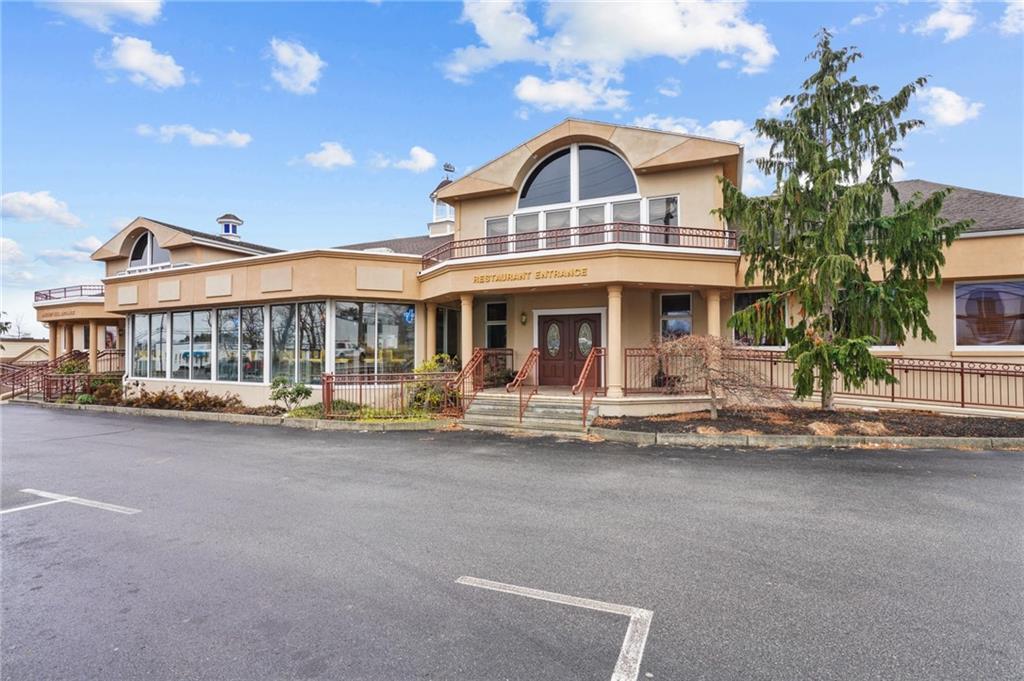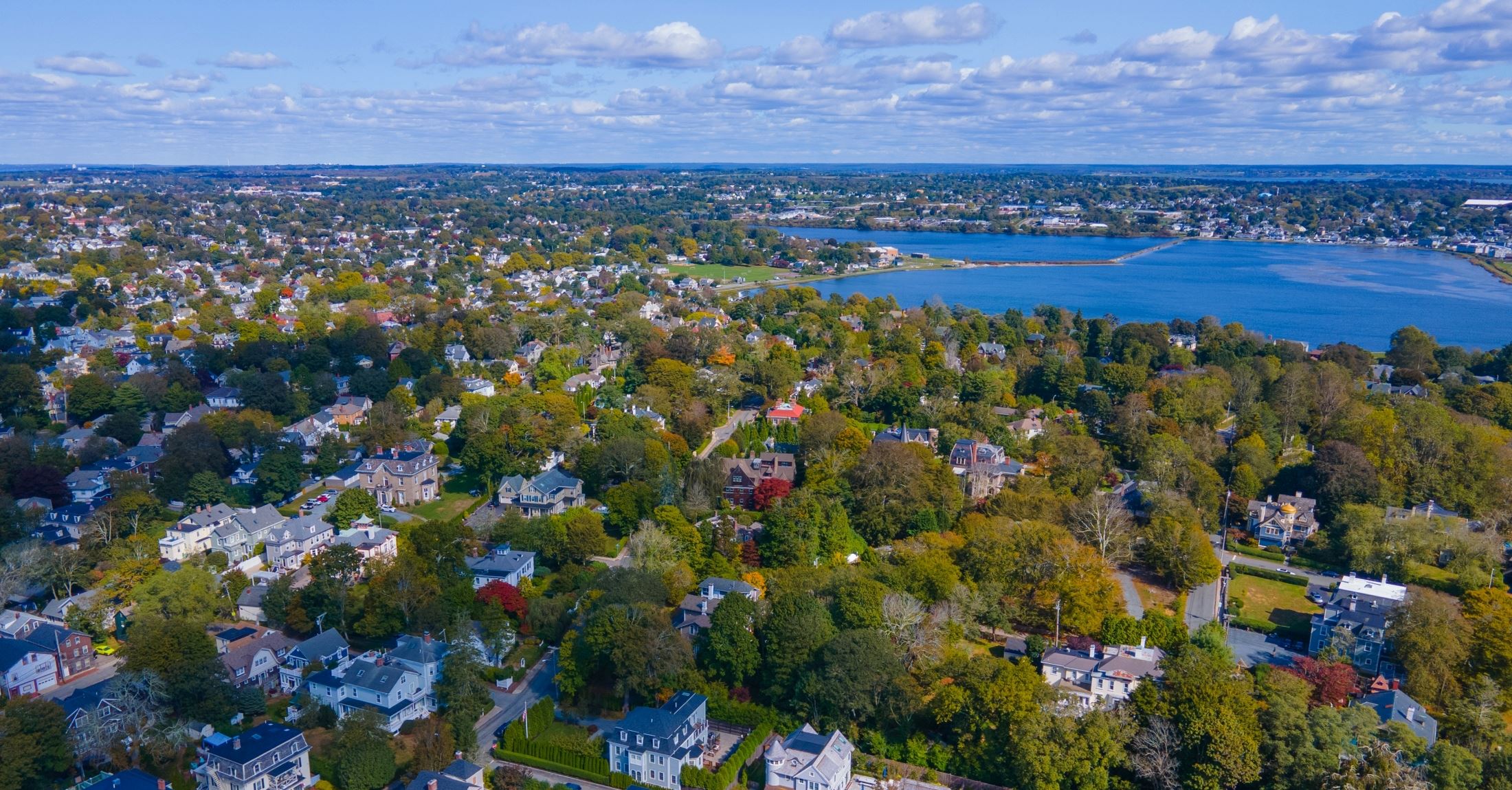
Narragansett's commercial economy runs on a few summer months more than almost anywhere else in Rhode Island. Narragansett Town Beach and the historic Towers draw a seasonal population that inflates revenue for beach-adjacent retail and short-term rentals from Memorial Day through Labor Day, and an owner selling investment property here needs a replacement analysis that accounts honestly for that swing rather than treating a peak-season rent roll as a twelve-month baseline.
Narragansett is also home to the University of Rhode Island's Bay Campus and Graduate School of Oceanography, which adds a modest, steady layer of research and institutional activity that runs independent of the beach season, though it remains a small share of the town's overall commercial footprint compared to summer tourism.
A Local Economy That Runs on a Few Summer Months
Beach-adjacent restaurants, rentals, and shops see the overwhelming majority of their annual revenue between late May and early September, and business activity drops off sharply once the summer population leaves. Any property whose income is tied to that population needs its numbers read with that pattern in mind, not as a flat annual figure that happens to be collected unevenly. A building that shows strong August revenue can still be a weak investment overall if it sits largely empty from October through April, and that shoulder-season reality has to be part of the underwriting conversation from the start.
Point Judith's Commercial Fishing Fleet Is a Different Asset Class
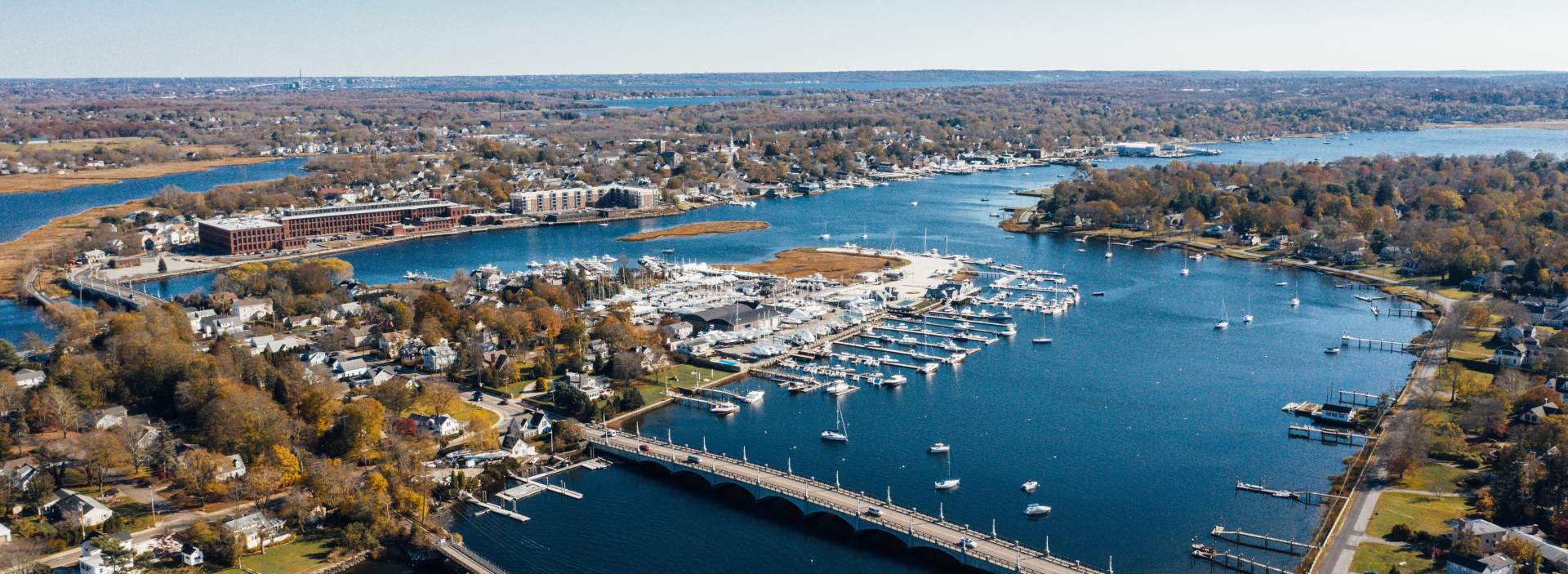
The harbor at Point Judith, including the Galilee section, supports a working commercial fishing fleet and the Block Island ferry terminal, and the marine-support businesses around it, bait shops, ice suppliers, and dock services, run on a schedule tied to fishing seasons and ferry traffic rather than to beach tourism. Property serving this harbor economy should be evaluated against other marine-support assets, not against beach-town retail. A dock, ice house, or bait shop near Galilee draws income from a working fleet and ferry passengers rather than from beachgoers, and its lease terms and tenant relationships often run longer and steadier than a seasonal retail storefront a mile away.
The Towers and Narragansett's Zoning Limit New Commercial Development
Narragansett has worked to preserve the character around the Towers and its village center, and zoning here limits how much new commercial space can be added. That scarcity supports pricing for existing commercial buildings, since the supply of new competing space is genuinely constrained, but it also means an owner cannot assume a comparable property will become available on short notice if a preferred candidate falls through. That constraint cuts both ways: it protects existing owners from new competing supply, but it also means an identification search here needs to start earlier than in a town where new commercial space is easier to bring online, since waiting until late in the 45-day window can leave an owner with no realistic local option at all.
Why a Seasonal Rent Roll Needs Discounting Before It's Read
A trailing twelve months from a Narragansett beach-area property needs to be split apart before it means anything.
- Trailing twelve months split by summer versus off-season months
- Flood insurance cost for any beach-adjacent building
- Whether Point Judith marine-support tenants have contracts beyond one season
- Zoning restrictions on any planned change of use
- A backup candidate less dependent on the Memorial Day to Labor Day window
Matching a Narragansett Purchase to the Exchange Clock
Sellers of seasonal Narragansett businesses often want to close after their peak months rather than during them, which can conflict with an investor's 45-day identification and 180-day closing deadlines if the exchange started late in the season. Confirming a realistic closing date with the qualified intermediary early, and keeping a less seasonal backup candidate available, keeps the exchange on schedule even if a beach-area seller's timeline shifts.
Common 1031 Exchange Questions
Should a Narragansett beach-area rent roll be read as a normal annual figure?
No. The trailing twelve months should be split between peak summer months and the rest of the year before it is used to underwrite the property, since a flat annual figure will overstate what the building earns outside the summer season.
What is Point Judith and why does it matter for a 1031 exchange?
Point Judith is a working commercial fishing harbor and the Block Island ferry terminal. Property serving that harbor economy is a distinct asset class from beach-town tourist retail and should be compared to similar marine-support properties.
Does Narragansett's zoning limit new commercial development?
Yes. Efforts to preserve the village character around the Towers restrict new commercial supply, which supports pricing on existing buildings but also means comparable replacements may not appear quickly.
How does flood insurance affect a beach-adjacent Narragansett purchase?
It can add a significant recurring cost, and that expense should be confirmed and built into the underwriting before the property is finalized on an identification list, not discovered after closing.
Should the exchange timeline account for Narragansett's seasonal calendar?
Yes, particularly for closing certainty. A seller's willingness to close during or after peak season can affect whether the deal fits inside the 180-day exchange period.
Does the URI Bay Campus add meaningful commercial demand in Narragansett?
It contributes a small, steady layer of research and institutional activity, but it remains modest next to the town's beach-driven tourism economy and should not be treated as a primary demand driver for a typical commercial candidate, so it works better as a minor stabilizing factor than as the basis for an investment thesis on its own.