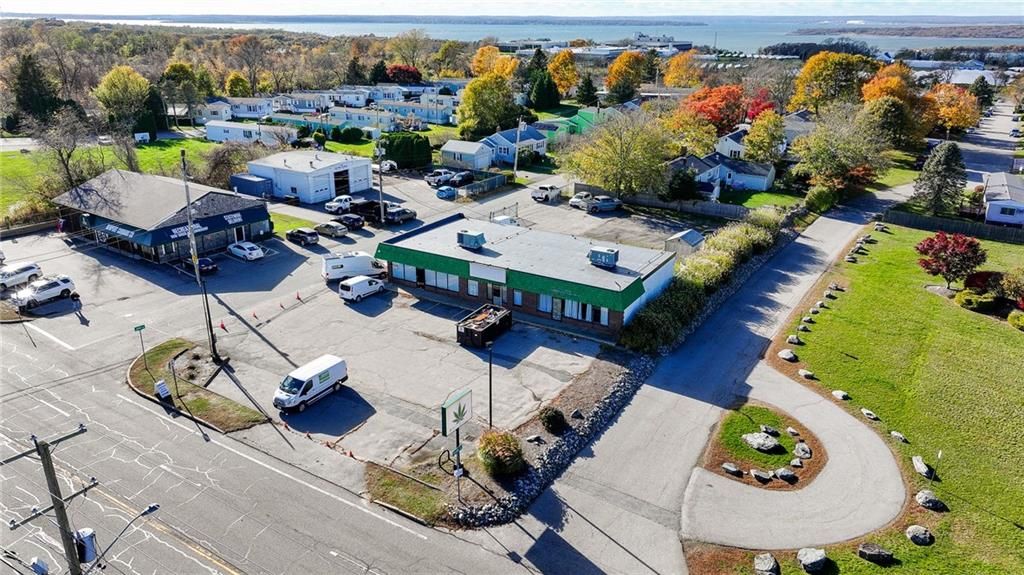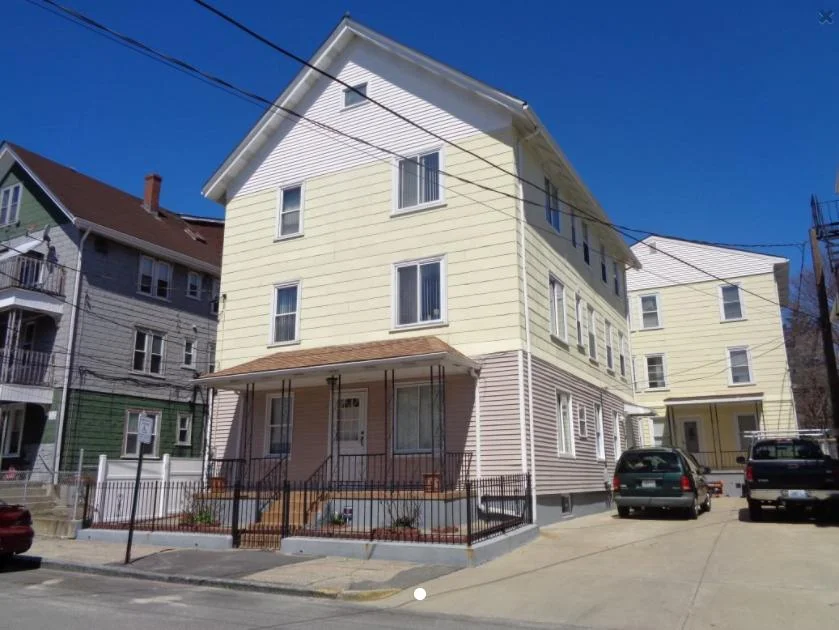
Barrington sits on the East Bay side of Narragansett Bay, a few miles south of Providence, and it is a small market by design. Zoning here favors single-family neighborhoods and a narrow band of professional and retail space along County Road and Maple Avenue, which means an owner running a 1031 exchange out of Barrington usually is not choosing between a dozen comparable local buildings. They are choosing between one or two, and a longer list of properties somewhere else in Rhode Island.
That scarcity is the first thing to plan around, not the last. An owner who waits until day thirty of the 45-day identification window to discover Barrington has no available replacement matching their relinquished property's value and debt load has already narrowed their own options. The better sequence is to confirm early whether a same-town replacement exists at all, and if it does not, to treat neighboring East Bay and Providence-area candidates as the primary plan rather than a fallback.
A Small East Bay Market With Almost No Spare Commercial Inventory
Barrington's commercial footprint is concentrated in a handful of nodes: the County Road corridor near the town center, the Maple Avenue professional buildings, and small retail clusters closer to the Barrington River and Hundred Acre Cove. Most of what changes hands is medical or professional office space, a few thousand square feet at a time, plus the occasional small retail building with a long-tenured tenant. There is no industrial park, no big-box corridor, and no multifamily stock of any real size. Barrington's residential character was a zoning choice, and it shows up directly in what an exchange has to work with.
Why Thin Inventory Raises the Stakes on Identification
When a market has this little turnover, the properties that do come up for sale often move quickly, and an owner who identifies a Barrington building without confirming it will still be available at closing risks losing that slot with no backup in place. The three-property rule allows naming up to three replacement candidates regardless of value, and in a market this thin, using all three is usually the more defensible approach: one Barrington property if a real one exists, plus two candidates in Providence, East Providence, or elsewhere in the East Bay.
Financing a Barrington Office or Retail Building on a Deadline
Lenders treat small office and retail buildings in Barrington fairly conventionally, but the smaller loan sizes typical here mean fewer lenders actively compete for the business, and underwriting can take longer than an owner expects if they are used to larger commercial transactions. Getting a lender's preliminary read on a specific Barrington address, rather than a general pre-qualification, before it goes on the identification list gives the qualified intermediary and the investor's tax advisor a real number to work against instead of an assumption that later turns out to be wrong.
What to Confirm Before a Barrington Property Goes on the List
Because so few Barrington properties trade in a given year, the diligence has to happen fast and it has to be complete before the property is committed to paper.
- Actual availability and seller timeline, rather than a listing status alone
- Whether reported rents match what a rent roll review can verify
- A lender's preliminary read on the specific address and loan size
- How the property compares to at least one backup candidate outside Barrington
- Whether the numbers still work once debt and closing costs are confirmed
What a Rushed Barrington Purchase Actually Costs
The cost of forcing a Barrington-only exchange when the market does not cooperate is not abstract. It is boot exposure if the replacement value comes in lower than the relinquished property, a blown 180-day closing if the seller's timeline does not match the buyer's, or a building bought mainly because it was available rather than because it fit the plan. An owner is better served treating Barrington as one candidate in a short regional list than as the only outcome that counts, and confirming that logic with a tax advisor before the identification period runs out.
Common 1031 Exchange Questions
Is there usually a matching replacement property available in Barrington itself?
Not always, and owners should not assume so. Barrington's commercial inventory is limited to a small band of office and retail space along County Road and Maple Avenue, so a Barrington relinquished property is often replaced by a building in Providence, East Providence, or elsewhere in the East Bay instead.
How does the three-property rule help in a market this small?
It lets an owner name up to three candidates without a value cap, which matters when Barrington itself may only offer one plausible option. Pairing a local candidate with two from elsewhere in Rhode Island protects the exchange if the Barrington building falls through.
Do lenders treat small Barrington office buildings differently than larger commercial properties?
The underwriting approach is conventional, but smaller loan sizes attract fewer active lenders and confirmation can take longer than expected. Getting a lender's preliminary read on the specific address before identification avoids relying on an assumption that does not hold up.
What happens if the only available Barrington property is worth less than what was sold?
That gap creates boot, which is taxable to the extent value or debt is not replaced. A tax advisor should review the numbers before the property is finalized on the identification list, not after.
Should an owner selling in Barrington focus the search on Barrington alone?
Given how little commercial inventory turns over here, no. Treating Barrington as one candidate within a short regional list, rather than the entire plan, gives the exchange a realistic chance of closing inside the 180-day period.