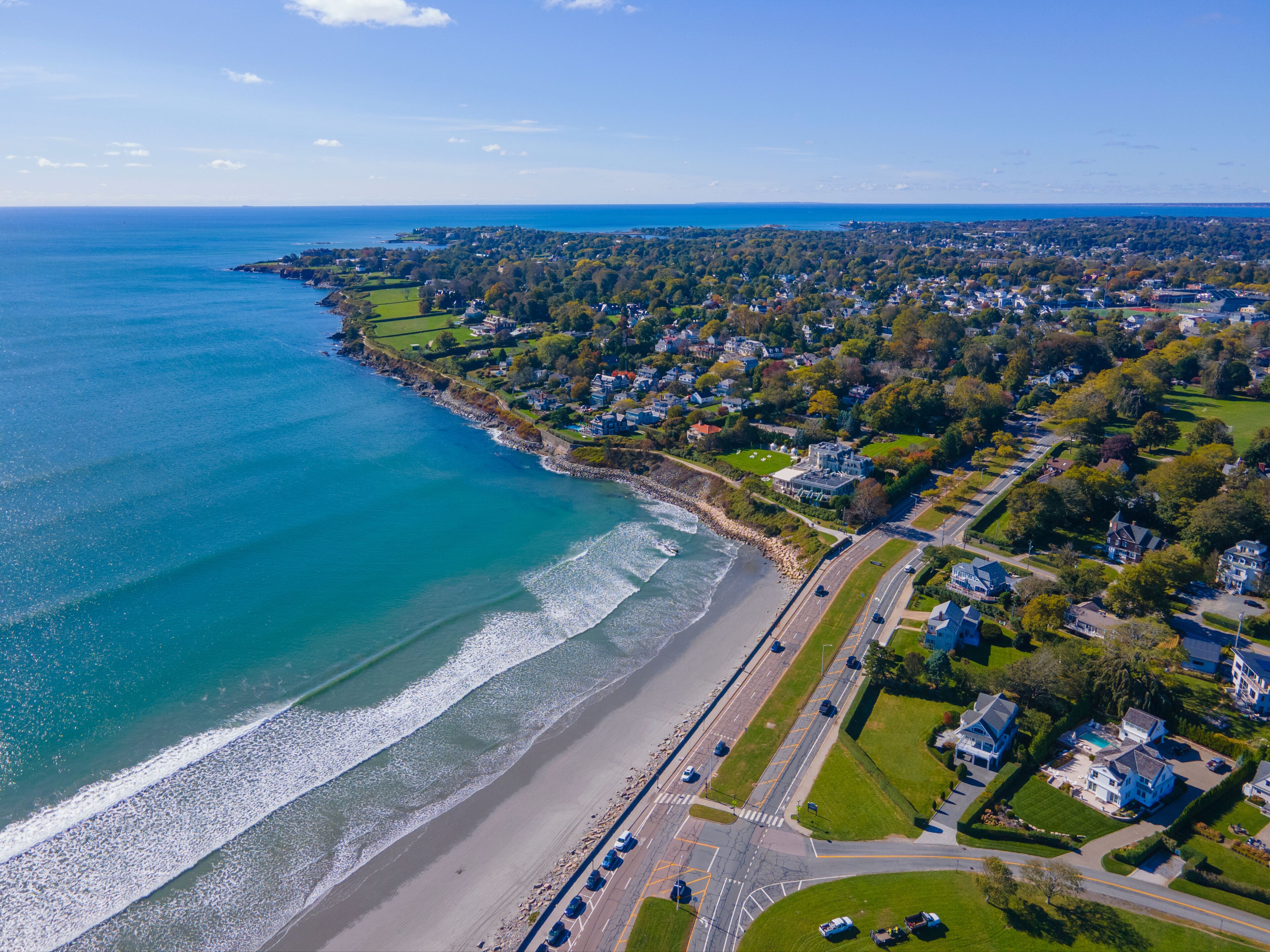
Self-storage has a reputation as a low-maintenance 1031 replacement, and in Rhode Island's coastal towns that reputation has a real driver behind it: a meaningful share of storage demand comes from seasonal residents in Narragansett, South Kingstown, and the Westerly shoreline who need somewhere to keep boats, furniture, and belongings during the off-season or between rentals of their own properties. That demand is genuine and recurring, but it also means storage occupancy in these towns can move with the seasonal population in ways a Providence or Cranston facility, driven by year-round residential density, does not experience the same way. We underwrite storage facilities against their actual demand driver, not against a generic assumption that storage is storage everywhere.
Why Coastal Rhode Island Drives Real Self-Storage Demand
A facility in Narragansett or Westerly benefits from second-home owners and seasonal renters who need off-season storage for boats, outdoor furniture, and belongings between tenancies — demand that repeats every year but concentrates around specific move-in and move-out periods rather than spreading evenly across twelve months. A Providence or Cranston facility instead draws on apartment turnover, downsizing, and general household storage need tied to population density rather than the calendar. Both are legitimate demand bases, but a facility's occupancy pattern should match the demand driver we can actually verify in that specific town, not an assumption borrowed from a different market.
The Operating Numbers That Actually Matter
Storage facility value depends heavily on operating efficiency — occupancy rate, average rent per square foot, and how much of the facility is climate-controlled versus standard drive-up — more than on the raw square footage the listing advertises. A facility showing strong occupancy but low average rent per unit may be underpriced in the market, or it may reflect a management team that has not raised rents in years and cannot easily catch up without losing tenants. We ask for the actual rent history rather than only the current rate sheet, before treating occupancy numbers as meaningful.
What We Verify Before a Storage Facility Goes on the List
Before a self-storage candidate earns a spot on your identification, we confirm:
- Occupancy history over at least twelve months, beyond the current snapshot
- Unit mix — the split between climate-controlled, standard, and vehicle or boat storage
- Rent trend per unit type, and how recently rates were last adjusted
- Management structure — on-site staffed, remote-managed, or franchised, and what that costs the owner
- Physical condition of roofing, drainage, and security systems, especially at coastal facilities exposed to salt air and storm runoff
A facility that cannot produce clear answers on rent trend and occupancy history does not go on the list regardless of how the current snapshot looks, since a strong current month says very little about what the next several years of ownership will actually look like once seasonal turnover and rent adjustments are factored back in.
Climate Control Is Not Optional Near the Coast
Coastal humidity and salt air create real deterioration risk for stored belongings and for the buildings themselves, which makes climate-controlled unit mix and building condition more consequential near Narragansett Bay and the South County shoreline than they might be inland. A facility with a high share of non-climate-controlled units in a coastal town may face pressure to convert units over time, and that capital cost needs to be part of the underwriting rather than an unpleasant surprise a few years into ownership.
Getting the Facility File Ready for Underwriting
Once a storage candidate clears review, we assemble occupancy history, rent trend, and physical condition notes into a file your qualified intermediary and CPA can use quickly, rather than a raw operating statement that raises more questions than it answers. That preparation matters most in the final weeks of the 180-day period, when there is no time left to chase down missing operating history. For a coastal facility, we also note anything the seller mentions about past storm damage or insurance claims, since that history often predicts future capital needs better than the current condition report alone.
Common 1031 Exchange Questions
Does a self-storage facility qualify the same way as other commercial real estate for a 1031 exchange?
Yes — self-storage is real property held for investment, which qualifies as like-kind under Section 1031 the same as retail, multifamily, or industrial property.
How seasonal is storage demand near Narragansett or South County?
More seasonal than a Providence or Cranston facility, since a share of tenants are storing boats, outdoor equipment, or belongings tied to seasonal residency rather than year-round household need. We verify the actual seasonal pattern rather than assuming it based on location alone.
What operating detail matters most in underwriting a storage facility?
Verified rent trend and occupancy history over time, not the current snapshot. A facility that looks full today can still be underperforming its potential if rents have not been adjusted in years.
Is a small, non-climate-controlled facility still a legitimate replacement?
Yes, but it should be priced with any future climate-control conversion cost in mind, particularly in a coastal town where humidity and salt air accelerate wear on stored belongings and building components.
How does management structure affect the value of a storage facility?
A remote-managed or franchised facility has different expense and labor exposure than an owner-operated one, and that structure should be reflected in the underwriting rather than assumed to be interchangeable with a fully staffed facility.