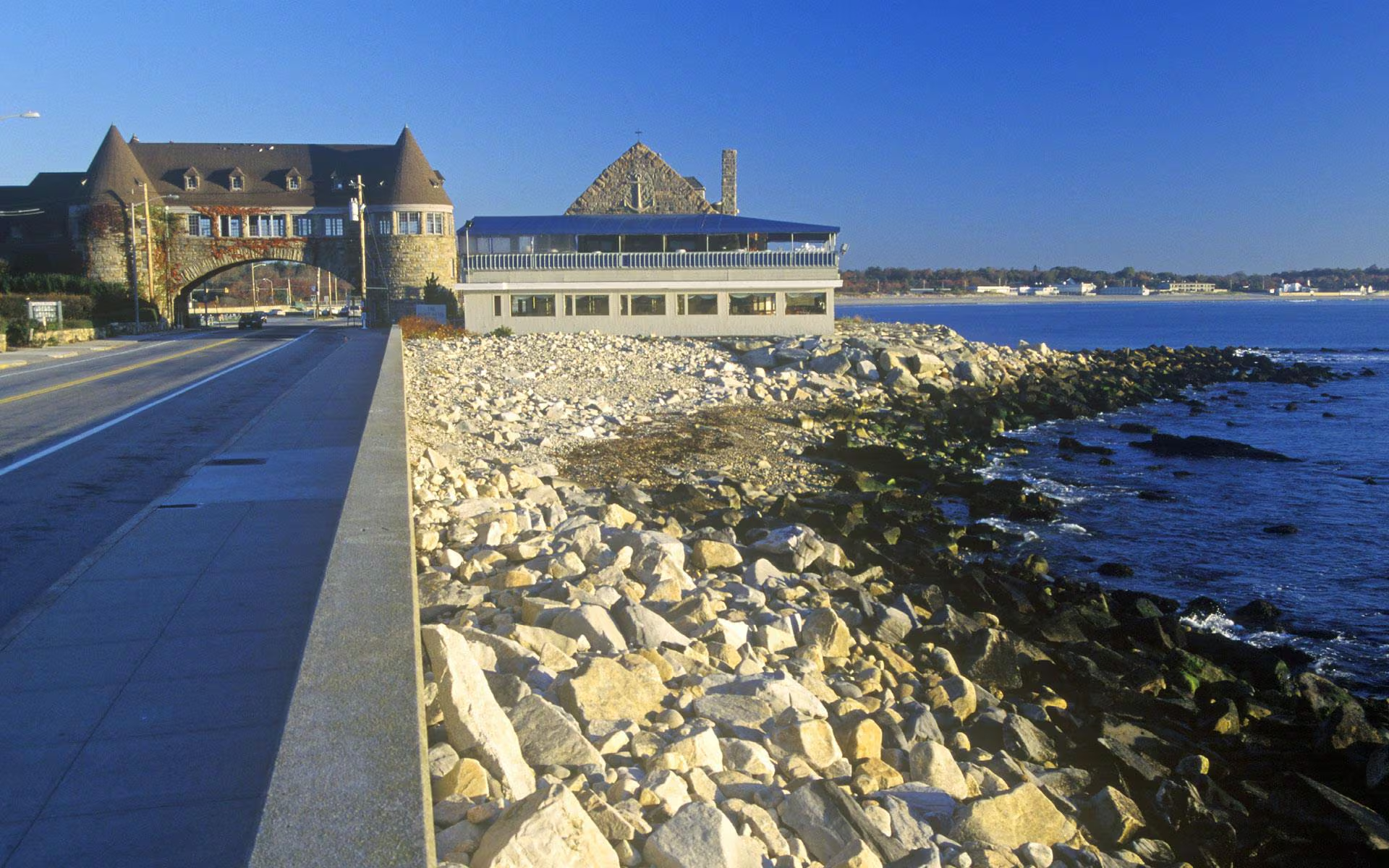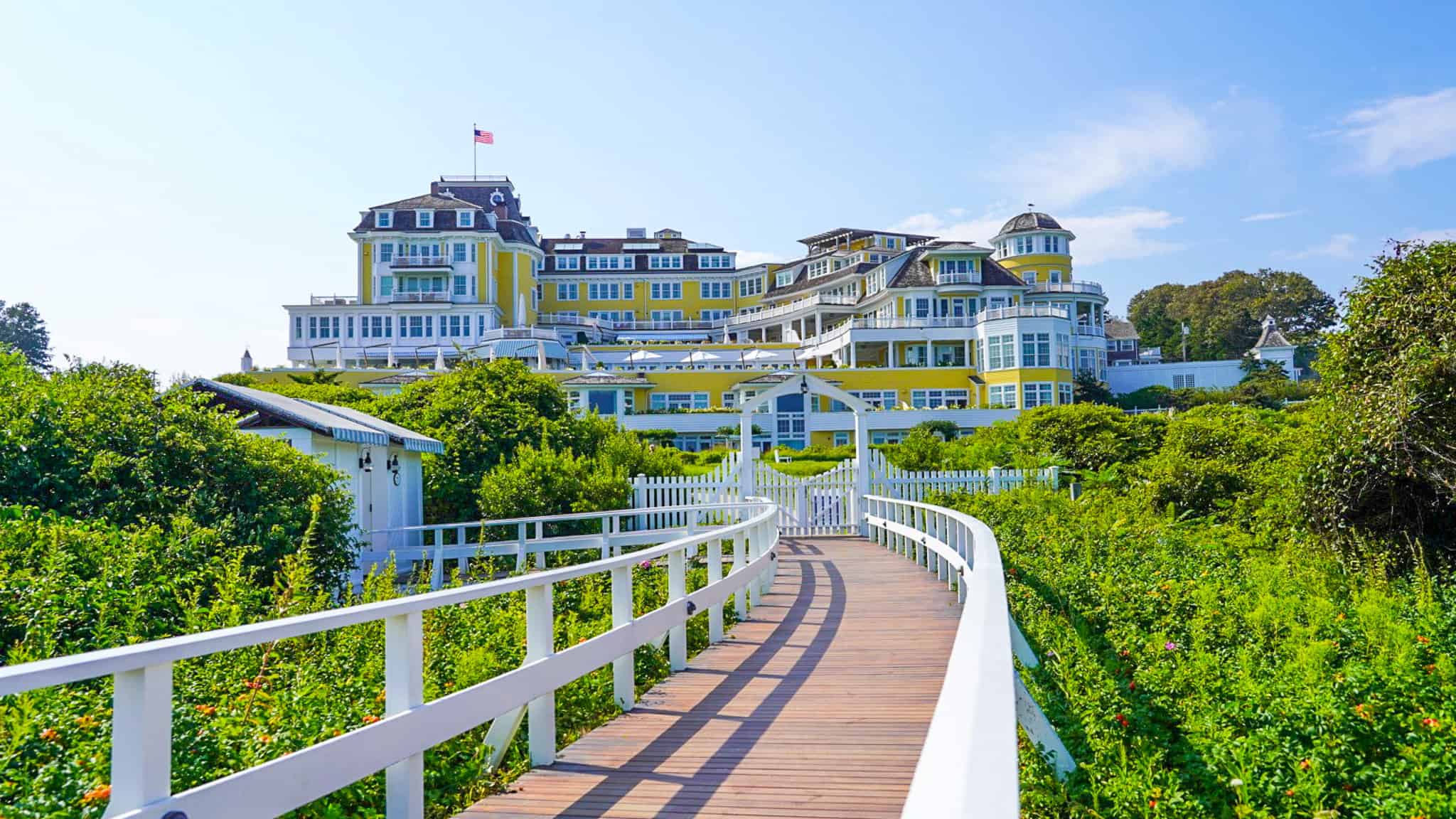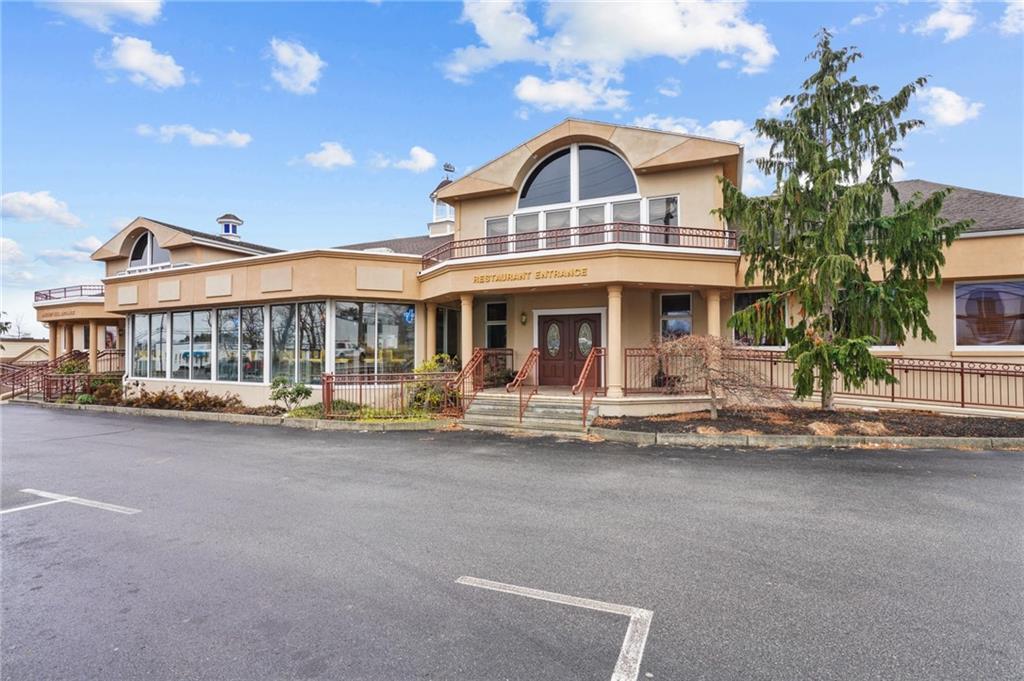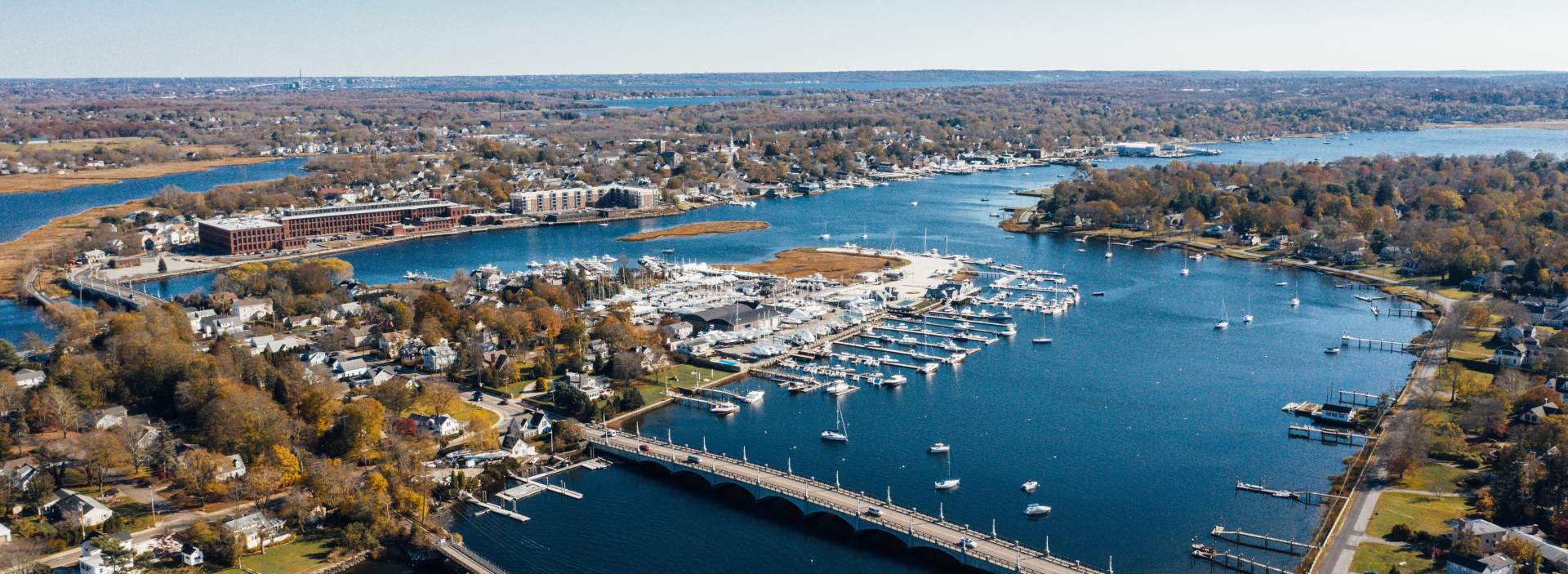
South Kingstown runs on two calendars that don't line up: the University of Rhode Island's academic year in Kingston, and the summer beach season along South County's coastline. An owner selling student housing near campus and an owner selling a seasonal retail building near Matunuck or the other South County beaches are dealing with entirely different income patterns, even though both properties sit inside the same town.
Student Housing Income on an Academic Clock
Off-campus housing near URI in Kingston fills on a fall-to-spring lease cycle, and vacancy risk concentrates around the summer months when most students leave. That's manageable and well understood by owners already in this space, but it means a trailing-twelve income statement needs to be read against the academic calendar, not treated as a flat monthly average. A replacement property here should be evaluated on how it performs during the August-to-May window specifically, since that's when nearly all of its income is generated.
Enrollment trends at the university also matter more here than at a commuter-heavy institution, since off-campus demand tracks closely with how many students choose to live away from campus housing in a given year. A long hold period built entirely around current enrollment assumptions carries more risk than one that accounts for some variation over time.
Coastal Retail on a Summer Clock
Property near the South County beaches runs the opposite pattern — income concentrated in the summer months, with a much quieter off-season. Combining the two income types in a single replacement analysis without separating them can produce a rent roll picture that looks stable on paper but is actually two mismatched seasonal cycles offsetting each other, which is a fragile basis for underwriting if either side underperforms.
Wakefield village center sits between these two worlds, with a steadier retail and service base that isn't tied to either the academic calendar or the beach season as tightly. It's often a more predictable comparable than either the campus-adjacent or shoreline submarkets, and worth including in a search that's trying to balance seasonal risk.
What to Confirm Before Naming a South Kingstown Replacement
Given how calendar-dependent this market is, a few things are worth checking directly:
- Lease timing relative to the academic year for any student-housing property
- Seasonal income concentration for coastal or beach-adjacent retail
- Flood zone and coastal insurance costs for property near Matunuck and the South County shoreline
- University enrollment trends that could affect off-campus housing demand over a longer hold period
- Agricultural or conservation restrictions on parcels bordering South Kingstown's working farmland
Why the 45-Day Window Is Tighter Around Seasonal Turnover
If a sale closes near the start of summer or the start of the academic year, the replacement search can run directly into the busiest leasing period for whichever asset type is being considered, when owners and brokers are least available to negotiate quickly. Building that timing into the identification strategy from the start, rather than discovering it mid-window, keeps the 45-day clock from colliding with the market's own seasonal rhythm. An owner selling in early spring, for instance, should expect that the strongest student-housing candidates will already have next year's leases substantially filled before the identification list is even finalized.
What Mismatched Seasonal Income Actually Costs
The risk in South Kingstown isn't a bad property — it's a good property evaluated on the wrong calendar. An investor who reads student housing income as if it were flat monthly rent, or coastal retail income as if it ran year-round, can walk into a replacement that underperforms the projection almost immediately. Separating the two income patterns clearly during identification, and confirming flood insurance costs on coastal parcels before relying on a net income figure, is what keeps a South Kingstown exchange from disappointing an owner after closing. Every timing and structuring decision should be confirmed with a qualified intermediary and tax advisor.
Common 1031 Exchange Questions
How should you read trailing-twelve income on a URI-area student housing property?
Against the academic calendar specifically, since income concentrates from August through May with a summer vacancy gap. A flat monthly average can misrepresent the property's real performance.
Is South County beach-area retail a stable year-round income source?
Not typically — income concentrates in the summer months, and the off-season can be significantly quieter. That should be reflected directly in the underwriting rather than smoothed into an annual average.
Does flood insurance affect coastal South Kingstown 1031 replacements the way it does in Newport?
Yes, similarly. Coastal and beach-adjacent parcels near Matunuck and the shoreline should have flood insurance costs underwritten into the purchase analysis before the property is identified, since that cost can materially change the net income the replacement actually delivers.
Can you combine student housing and coastal retail income to build a diversified South Kingstown replacement?
You can, but the two income patterns run on opposite seasonal cycles, so combining them without analyzing each separately can obscure real performance risk in either one. Each should be underwritten on its own calendar before being folded into a single combined projection.
Does agricultural or conservation land nearby restrict what you can do with a South Kingstown commercial parcel?
It can, particularly for parcels bordering the town's working farmland. That should be confirmed before a property is added to the identification list, since some restrictions run with the land regardless of who owns the adjacent commercial building.